
Only the first generation of Accent models were equipped with the 1.3-liter carbureted Hyundai G4EA engine, which was manufactured in Korea between 1994 and 1999 and then only in a few markets.
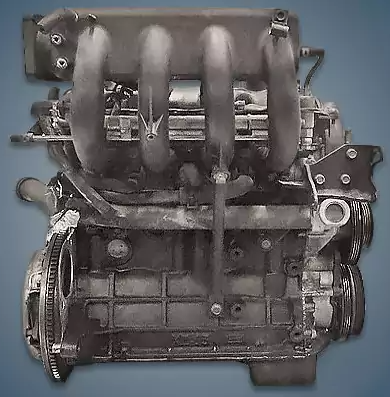
The company debuted a 1.3-liter carburetor unit of its own design in 1994. This was a Korean company’s first and final attempt to develop an engine with this kind of fuel system. The engine’s design was strikingly similar to that of Mitsubishi engines from the 1980s. It featured an aluminum 12-valve cylinder head with a single camshaft, an in-line cast-iron cylinder block without any liners, a basic timing belt drive, and hydraulic lifters.
G4EA, G4EH, G4EE, G4EB, G4EC, G4ER, G4EK, and G4ED are all part of the Alpha series.
The engine was mounted on:
- Hyundai Accent 1 (X3) in 1994 – 1999.
Specifications
| Production years | 1994-1999 |
| Displacement, cc | 1341 |
| Fuel system | carburetor |
| Power output, hp | 71 |
| Torque output, Nm | 110 |
| Cylinder block | cast iron R4 |
| Block head | aluminum 12v |
| Cylinder bore, mm | 71.5 |
| Piston stroke, mm | 83.5 |
| Compression ratio | 9.5 |
| Hydraulic lifters | yes |
| Timing drive | belt |
| Turbocharging | no |
| Recommended engine oil | 5W-40, 10W-40 |
| Engine oil capacity, liter | 3.8 |
| Fuel type | petrol |
| Euro standards | EURO 1 |
| Fuel consumption, L/100 km (for Hyundai Accent 1997) — city — highway — combined |
8.7 5.4 6.8 |
| Engine lifespan, km | ~300 000 |
| Weight, kg | 99.7 |
Disadvantages of the Hyundai G4EA engine
The Mikuni Solex carburetor, which not every service station can fix or simply configure correctly, is the root cause of all of this engine’s major issues. Short-lived parts of the engine ignition system cause a lot of problems.
Hydraulic lifters are another weak point in this situation; they can occasionally knock after 80,000 kilometers of operation, and replacing them can be costly. The primary cause is the lubricant pressure drop brought on by the oil pump plunger’s wear.
The timing belt should be replaced every 60,000 kilometers, according to the manufacturer’s official regulations. However, there have been reports of broken belts at lower mileage, frequently with bent valves. It is preferable to replace them simultaneously because the water pump in this motor has limited resources.
As the engine approaches 200,000 kilometers, it typically uses up to 1 liter of oil every 1000 kilometers, primarily as a result of hardened valve stem seals. It doesn’t cost much to replace them. But since lying rings are the root of the problem, decarbonization is sufficient.
Owners complain about frequent oil or antifreeze leaks, an unreliable starter, severe vibrations from worn-out power unit cushions, and unexpected activation of the emergency fuel shutdown mechanism on specialized forums.