
Since 2009, the Hyundai D4HB or 2.2 CRDi 2.2-liter diesel engine has been manufactured in Korea and fitted to a number of the company’s well-known models, including the Sorento, Santa Fe, and Carnival.
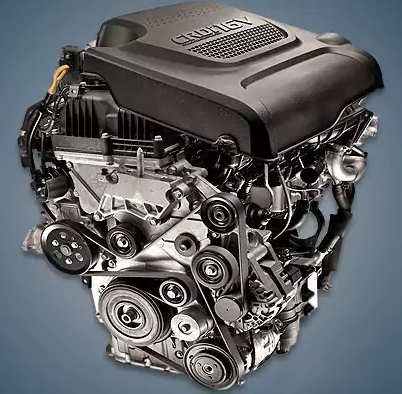
Hyundai’s European research and development center in Ræelheim created a new generation of R-series diesel engines, which Hyundai-Kia unveiled at the very end of 2008. The 2.2-liter engine featured a timing chain drive, a Bosch CP4 Common Rail fuel system with 1800 bar piezo injectors, an aluminum 16-valve cylinder head with hydraulic lifters, and a cast-iron block. Here, a Garrett GTB1752VLK variable geometry turbine was used for supercharging.
There was a derated version that produced 150 horsepower and 412 Nm in addition to the standard modification with a capacity of 190–200 horsepower. Karnival minivans frequently had this type of diesel engine.
Diesels D4HA, D4HC, D4HD, D4HE, and D4HF are also members of the R family.
The engine was mounted on:
- Hyundai Grandeur 5 (HG) in 2011 – 2016; Grandeur 6 (IG) in 2016 – 2018;
- Hyundai Grand Santa Fe 1 (NC) in 2013 – 2019;
- Hyundai Palisade 1 (LX2) since 2019;
- Hyundai Santa Fe 2 (CM) in 2009 – 2012; Santa Fe 3 (DM) in 2012 – 2018; Santa Fe 4 (TM) in 2018 – 2020;
- Kia Carnival 2 (VQ) in 2010 – 2014; Carnival 3 (YP) in 2014 – 2021;
- Kia Sorento 2 (XM) in 2009 – 2014; Sorento 3 (UM) in 2014 – 2020.
Specifications
| Production years | since 2009 |
| Displacement, cc | 2199 |
| Fuel system | Common Rail |
| Power output, hp | 150 – 200 |
| Torque output, Nm | 412 – 441 |
| Cylinder block | cast iron R4 |
| Block head | aluminum 16v |
| Cylinder bore, mm | 85.4 |
| Piston stroke, mm | 96 |
| Compression ratio | 16.0 |
| Hydraulic lifters | yes |
| Timing drive | chain |
| Turbocharging | Garrett GTB1752VLK |
| Recommended engine oil | 5W-30, 5W-40 |
| Engine oil capacity, liter | 7.4 / 7.8 |
| Fuel type | diesel |
| Euro standards | EURO 5/6 |
| Fuel consumption, L/100 km (for Hyundai Santa Fe 2014) — city — highway — combined |
8.8 5.3 6.6 |
| Engine lifespan, km | ~450 000 |
| Weight, kg | 215.5 |
Disadvantages of the Hyundai D4HB engine
This diesel engine has a Bosch CP4 Common Rail fuel system with piezo injectors, which cannot withstand poor diesel fuel and causes the injection pump to fail very quickly. After that, the pump begins to drive chips, which spread throughout the system and clog the nozzles.
Only a few owners of the engines from the early years experienced a hydraulic tensioner wedge, and the timing chain drive is very dependable and runs silently up to 200,000 kilometers. Timing chain noise typically indicates a worn crankshaft damper pulley.
With an EGR valve, it clogs up to 100,000 kilometers, and with a particulate filter, its resource is roughly twice as long, among other common issues with contemporary diesel engines. The glow plug relay still frequently malfunctions or their wiring breaks.
The wedge of the turbine geometry change rod and the failure of the boost pressure sensor are frequently complained about in specialized forums, but the turbocharger itself is used here for a very long time. Additionally, there were instances of the cylinder head gasket suddenly failing on the units from the initial years of production.