
Introduced in 1985, the in-line 6-cylinder Mercedes M103 E30 engine was partially unified with the 4-cylinder M102 and was designed to replace the obsolete M110 engine.
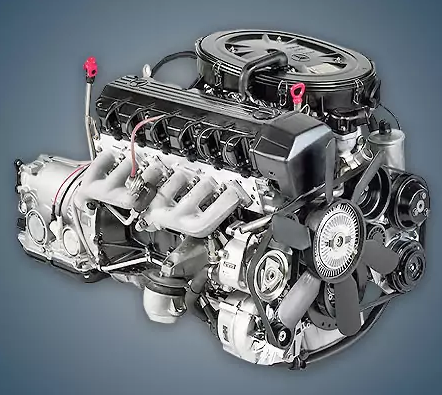
M103 E26, M103 E30, M104 E28, M104 E30, M104 E32, and M256 E30 are members of the R6-family.
The 103 series replaced the previous 24-valve twin-shaft with a new lightweight cast iron cylinder block and a 12-valve block head with a single camshaft and hydraulic lifters in an effort to boost efficiency, lighten the power plant, and lower production costs. The intake and exhaust valves have diameters of 43 mm and 39 mm, respectively. Mechanical injection is the fuel injection system. The single-row chain used by the timing drive is not very dependable. KE-Jetronic is the fuel supply system.
Specifications
| Production years | 1985-1993 |
| Displacement, cc | 2960 |
| Fuel system | KE-Jetronic |
| Power output, hp | 180 – 190 |
| Torque output, Nm | 255 – 260 |
| Cylinder block | cast iron R6 |
| Block head | aluminum 12v |
| Cylinder bore, mm | 88.5 |
| Piston stroke, mm | 80.2 |
| Compression ratio | 9.2 – 10.0 |
| Features | no |
| Hydraulic lifters | yes |
| Timing drive | chain |
| Phase regulator | no |
| Turbocharging | no |
| Recommended engine oil | 5W-40 |
| Engine oil capacity, liter | 6.0 |
| Fuel type | petrol |
| Euro standards | EURO 0/1 |
| Fuel consumption, L/100 km (for 300 SL R107) — city — highway — combined |
16.0 10.5 14.5 |
| Engine lifespan, km | ~450 000 |
Disadvantages of the M103 E30 engine
Owners of cars with such power units typically deal with lubricant leaks.
Here, the crankshaft oil seal and the U-shaped gasket are the weak points for leaks.
Engine failure as a result of clogged injectors is the second most frequent issue.
The valve stem seals are typically the cause of the oil burner, and once they are replaced, it disappears.
A single-row timing chain may already be stretched and need to be replaced after 150,000 kilometers.