
From 1992 to 2001, the company assembled the 2.2-liter Toyota 3C-T turbo diesel engine, which was mounted on Town Ace minibuses, Estima minivans, and Camry-style passenger cars. This is the version with a turbocharger.
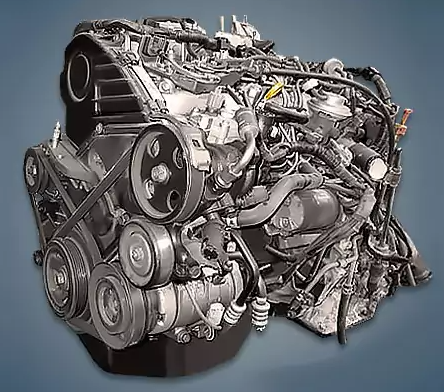
From 1993 to 2004, the Toyota 3C-TE turbo diesel engine was assembled in Japan and fitted in a number of station wagons, compact vans, and minivans, including the Caldina, Estima, and Picnic. The Denso injection pump, which is electronically controlled, set this power unit apart from the 3C-T motor.
From 1998 to 2007, the company produced the Toyota 3C-E diesel engine, which was used in three generations of Corollas for the Japanese market as well as LiteAce and Town Ace minibuses. Although it is not turbocharged, this model has Denso’s electronically controlled injection pump.
Specifications
| Production years | 1992-2007 |
| Displacement, cc | 2184 |
| Fuel system | prechamber |
| Power output, hp | 79 (3C-E) 88 – 100 (3C-T) 90 – 105 (3C-TE) |
| Torque output, Nm | 147 (3C-E) 185 – 195 (3C-T) 195 – 225 (3C-TE) |
| Cylinder block | cast iron R4 |
| Block head | aluminum 8v |
| Cylinder bore, mm | 86 |
| Piston stroke, mm | 94 |
| Compression ratio | 23.0 (3C-E, 3C-T) 22.6 (3C-TE) |
| Features | SOHC |
| Hydraulic lifters | no |
| Timing drive | belt |
| Phase regulator | no |
| Turbocharging | no (3C-E) yes (3C-T, 3C-TE) |
| Recommended engine oil | 5W-40 |
| Engine oil capacity, liter | 4.9 (3C-E) 5.0 (3C-T) 5.2 (3C-TE) |
| Fuel type | diesel |
| Euro standards | EURO 2 |
| Fuel consumption, L/100 km (for Toyota Corolla 1999) — city — highway — combined |
9.1 5.9 7.0 |
| Engine lifespan, km | ~260 000 |
| Weight, kg | 170 (3C-E) 185 (3C-T) 190 (3C-TE) |
Disadvantages of the Toyota 3C engine
A diesel engine’s primary issue is the cylinder head’s frequent cracking from overheating;
Additionally, this unit’s aluminum head has damaged valve seats; air filter pipes break easily, allowing dust to fly directly into the cylinders;
Denso’s electronically controlled high-pressure fuel pump cannot be fixed everywhere because the timing belt has limited resources and the valves typically bend when it breaks.