
The 1FZ is incredibly straightforward and dependable, much like many Toyota engines from the 1980s and 1990s. The design did not contain any errors in computation. solid, vintage, high-volume engine to replace the outdated F-series. The carburetor version, which was installed for heavy SUVs (Land Cruiser 70, 80, and 100) between 1992 and 2009, is still utilized on certain vehicles.
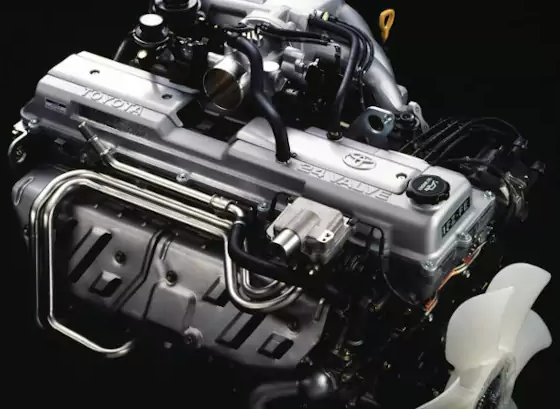
From 1984 until 2009, only the company’s Japanese plant produced the 4.5-liter Toyota 1FZ-F engine, which was fitted to Land Cruiser SUVs in versions intended for developing markets. The world’s longest-lasting carburetor engine is this power unit.
The Toyota 1FZ-FE engine was built between 1992 and 2009 and fitted to the Lexus LX and the highly sought-after Land Cruiser SUVs. A distributor was replaced with ignition coils when this engine was upgraded in 1998.
Specifications
| Production years | 1984-2009 |
| Displacement, cc | 4477 |
| Fuel system | carburetor (1FZ-F) injector (1FZ-FE) |
| Power output, hp | 190 (1FZ-F) 205 – 240 (1FZ-FE) |
| Torque output, Nm | 363 (1FZ-F) 370 – 410 (1FZ-FE) |
| Cylinder block | cast iron R6 |
| Block head | aluminum 24v |
| Cylinder bore, mm | 100 |
| Piston stroke, mm | 95 |
| Compression ratio | 8.1 (1FZ-F) 9.0 (1FZ-FE) |
| Features | no |
| Hydraulic lifters | no |
| Timing drive | chain |
| Phase regulator | no |
| Turbocharging | no |
| Recommended engine oil | 5W-30 |
| Engine oil capacity, liter | 7.4 |
| Fuel type | petrol |
| Euro standards | EURO 1 (1FZ-F) EURO 2/3 (1FZ-FE) |
| Fuel consumption, L/100 km (for Toyota Land Cruiser 100 2000) — city — highway — combined |
22.4 13.3 17.1 |
| Engine lifespan, km | ~400 000 |
| Weight, kg | 290 |
Reliability and problems
As a typical example of the 1980s and 1990s of the previous century, the Toyota 1FZ engine is dependable and easy to operate.
The engine’s designers considered every aspect during development and produced a nearly flawless engine. As a result, it can endure well over 400,000 kilometers without requiring any repairs if it is handled carefully and filled with premium oil and fuel. The high gasoline consumption may be its only disadvantage. Sometimes oil that is too thin starts to seep through gaskets and seals. Adjusting the valves is a common solution for floating engine speed issues. The motor is generally lively and has good traction.