
From 2008 to 2011, only the redesigned sixth-generation A6 model with all-wheel drive was equipped with the 3.0-liter turbocharged Audi CAJA 3.0 TFSI engine. This power unit had a counterpart under the CCAA index for the US market.
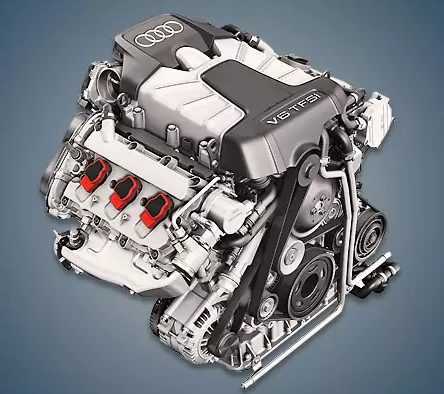
The EA837 series includes: BDW, AUK, BDX, CAJA, CGWA, CGWB, CREC.
Specifications
| Production years | 2008-2011 |
| Displacement, cc | 2995 |
| Fuel system | direct injection |
| Power output, hp | 290 |
| Torque output, Nm | 420 |
| Cylinder block | aluminum V6 |
| Block head | aluminum 24v |
| Cylinder bore, mm | 84.5 |
| Piston stroke, mm | 89 |
| Compression ratio | 10.5 |
| Features | DOHC |
| Hydraulic lifters | yes |
| Timing drive | chain |
| Phase regulator | on the intake shaft |
| Turbocharging | compressor |
| Recommended engine oil | 5W-30 |
| Engine oil capacity, liter | 6.5 |
| Fuel type | petrol |
| Euro standards | EURO 5 |
| Fuel consumption, L/100 km (for Audi A6 2009) — city — highway — combined |
13.2 7.1 9.4 |
| Engine lifespan, km | ~250 000 |
The engine was installed on:
- Audi A6 C6 (4F) in 2008 – 2011.
Disadvantages of the Audi CAJA engine
The oil burner caused by cylinder scuffing is the motor’s most well-known issue;
A malfunctioning oil separator is frequently another factor contributing to lubricant consumption;
The timing chain tensioners’ critical wear is indicated by cracking when the engine is started;
Different pumps and high-pressure fuel pumps are the low resource in this case.
Catalysts frequently leak out after 100,000 kilometers, drawing their particles into the cylinders.