
Overview & Design Features
The Lexus 1G-FE is an inline-six cylinder, 2.0-liter gasoline engine developed by Toyota Motor Corporation, primarily for its luxury Lexus and performance-oriented Toyota models. This engine, part of the widely recognized G-series family, is celebrated for its exceptional smoothness, balanced power delivery, and inherent reliability, attributes largely derived from its inline-six configuration. Introduced in the late 1990s, the 1G-FE became a hallmark of refined performance, particularly in the Japanese domestic market (JDM) and European export models, serving as a reliable entry-level luxury powertrain.
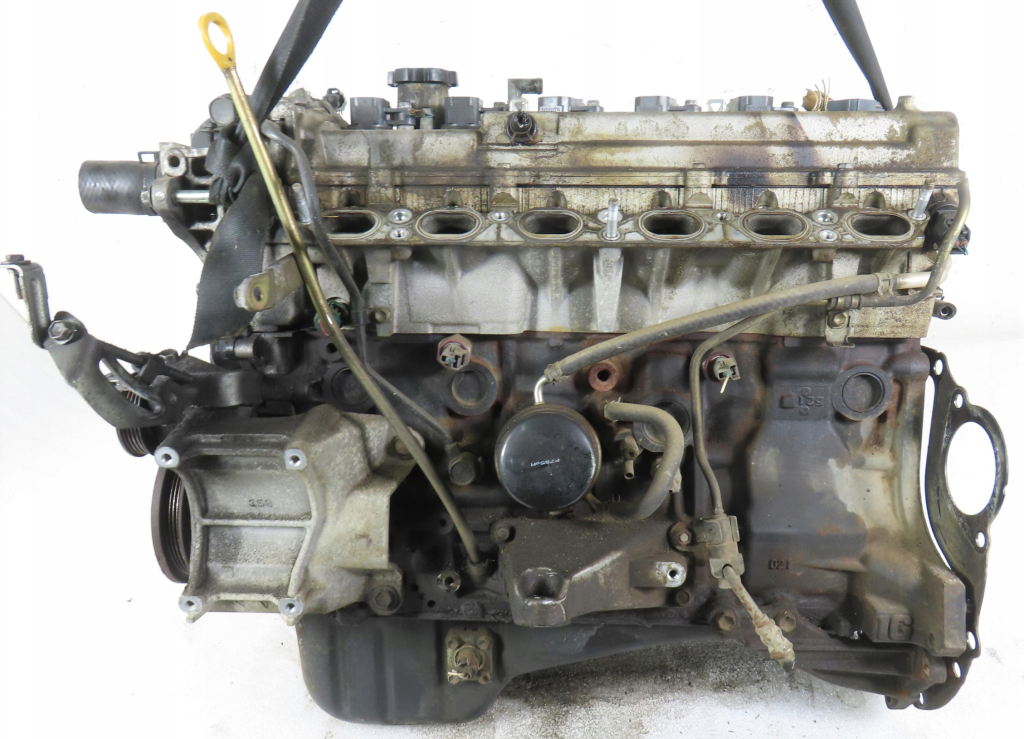
Engineered for durability and efficiency, the 1G-FE features a robust cast-iron cylinder block coupled with a lightweight aluminum alloy cylinder head. This combination ensures structural rigidity while reducing overall engine weight. Fuel delivery is managed by multi-point electronic fuel injection (MPFI), precisely atomizing fuel into the intake ports. A key technological advancement in this iteration is the adoption of Toyota’s Variable Valve Timing with intelligence (VVT-i) system, which continuously adjusts intake valve timing to optimize torque across the RPM range, improving both fuel efficiency and power output. The valvetrain utilizes a Dual Overhead Camshaft (DOHC) design, actuating four valves per cylinder, totaling 24 valves for enhanced airflow and combustion efficiency.
The 1G-FE engine was extensively deployed across a range of popular Lexus and Toyota vehicles. Its most notable application outside of Japan was in the first-generation Lexus IS200 (XE10 chassis), produced from 1999 to 2005. In the JDM, it powered various performance and luxury sedans, including the Toyota Altezza (the IS200’s domestic counterpart), Toyota Crown (S170 series), Toyota Mark II (X100 and X110 series), Toyota Chaser (X100 series), and Toyota Cresta (X100 series). Its widespread use underscores its versatility and suitability for vehicles prioritizing refinement and everyday usability.
Technical Specifications
| Displacement | 1988 cc (2.0 L) |
| Max Power | 158 hp (118 kW) @ 6200 RPM |
| Max Torque | 196 Nm (20.0 kg*m) @ 4400 RPM |
| Fuel Type | Unleaded Gasoline (RON 95 recommended) |
| Fuel Consumption | 8.5 – 10.5 l/100 km (combined, varies by vehicle and transmission) |
| Engine Type | Inline 6-cylinder, DOHC, 24-valve, VVT-i |
| Compression Ratio | 10.0:1 |
| Cylinder Bore | 75.0 mm |
| Piston Stroke | 75.0 mm |
| Valvetrain | Belt-driven DOHC |
| Valves per Cylinder | 4 |
| Additional Info | VVT-i (Variable Valve Timing with intelligence), Cast Iron Block, Aluminum Head, Multi-Point Electronic Fuel Injection |
Common Problems & Reliability
The Lexus 1G-FE engine is generally regarded as highly reliable, capable of achieving significant mileage when properly maintained. However, like any aging internal combustion engine, it exhibits a few predictable issues over time. A common concern includes oil leaks, particularly from the valve cover gaskets, front and rear crankshaft seals, and camshaft seals. These leaks are typically due to hardening rubber components and are usually manageable with routine replacement. Another frequently reported issue involves the VVT-i actuator (oil control valve), which can manifest as a rattling noise during cold starts, rough idling, or illumination of the check engine light (CEL). Replacing the VVT-i solenoid often resolves this. Furthermore, ignition system components, specifically ignition coils, can degrade with age and high mileage, leading to misfires and reduced engine performance. It is advisable to inspect these components during major service intervals.
Given its robust design and quality manufacturing, the 1G-FE engine has a commendable service life. With diligent maintenance, including timely oil changes, timing belt replacements, and attention to cooling system integrity, this engine can reliably exceed 300,000 kilometers (approximately 180,000 miles) before requiring a major overhaul.
Maintenance Tips & Service Schedule
Maintaining the Lexus 1G-FE engine proactively is crucial for preserving its renowned longevity and smooth operation. Adherence to a strict service schedule is recommended.
- Engine Oil and Filter: Perform oil and filter changes every 10,000 kilometers (6,000 miles) or every 6 months, whichever comes first. Use a high-quality synthetic engine oil with a viscosity rating of 5W-30 or 10W-30, meeting API SN or SP specifications.
- Spark Plugs: Replace iridium-tipped spark plugs every 100,000 kilometers (60,000 miles). Platinum-tipped plugs, if used, may require more frequent replacement.
- Timing Belt: The 1G-FE utilizes a timing belt, which is a critical maintenance item. Replace the timing belt, tensioner, and idler pulleys every 100,000 kilometers (60,000 miles) or 6 years. It is highly advisable to replace the water pump simultaneously, as its operational life often aligns with the timing belt’s service interval.
- Coolant System: Flush and replace engine coolant every 50,000 kilometers (30,000 miles) or 3 years. Utilize a high-quality long-life coolant (LLC) compatible with aluminum components. Inspect hoses and radiator for signs of wear or leaks.
- Air Filter: Inspect and replace the engine air filter every 20,000-30,000 kilometers (12,000-18,000 miles) or annually, depending on driving conditions.
- Fuel Filter: Replace the fuel filter every 80,000-100,000 kilometers (50,000-60,000 miles) to ensure optimal fuel delivery and protect injectors.
Conclusion
The Lexus 1G-FE engine stands as a testament to Toyota’s engineering prowess, offering a blend of smoothness, adequate power, and exceptional reliability. For a used vehicle buyer, an engine-equipped car with a well-documented maintenance history represents a generally safe and reliable choice. Its inline-six configuration provides a refined driving experience, and its common issues are typically manageable with routine preventative maintenance rather than inherent design flaws. While not the most powerful engine in the segment, its enduring build quality and readily available parts contribute to a positive ownership experience, making it a sound investment for those seeking a dependable and comfortable luxury-oriented vehicle.