
Overview & Design Features
The Haval GW4B15C is a contemporary 1.5-liter turbocharged inline-four gasoline engine, developed and manufactured by Great Wall Motor (GWM), primarily for its Haval SUV sub-brand. Introduced as a key component of GWM’s advanced Lemon platform, this engine represents a significant evolution from earlier 1.5T iterations, focusing on improved efficiency, power delivery, and emission compliance. Its deployment marks a strategic move by Haval to equip its popular compact and medium SUVs with a modern, high-performance powertrain that aligns with global automotive trends and consumer expectations for dynamic yet economical driving.
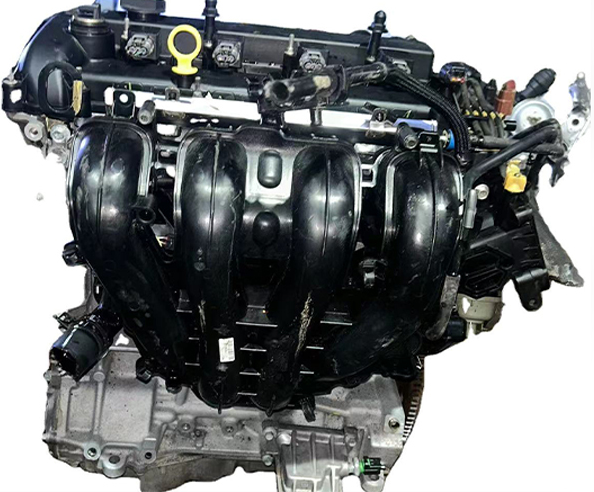
Engineered for optimal performance and durability, the GW4B15C features an aluminum alloy cylinder block and cylinder head, contributing to reduced overall engine weight and enhanced thermal management. It incorporates a sophisticated direct fuel injection (GDI) system, which precisely delivers fuel directly into the combustion chambers for improved fuel economy and power output. Dual Variable Valve Timing (DVVT) technology is employed on both the intake and exhaust camshafts, optimizing valve overlap and lift across the engine’s RPM range, leading to a broader torque band and better emissions control. A single twin-scroll turbocharger, often from BorgWarner, further boosts power and torque from low RPMs, mitigating turbo lag and providing responsive acceleration.
This specific iteration of the 1.5T engine has been widely adopted across several of Haval’s most prominent models. It served as a primary power unit in the third-generation Haval H6, a popular compact SUV known for its market success. The GW4B15C also powers the Haval Jolion, another key offering in the compact SUV segment, and variants of the Haval Chulian (also known as First Love in some markets). Its application extends to other Haval vehicles where a balance of performance and fuel efficiency is paramount, cementing its role as a core powertrain within the Haval lineup since its introduction in the early 2020s.
Technical Specifications
| Specification | Value |
|---|---|
| Displacement (cc) | 1499 |
| Max Power (hp (kW) @ RPM) | 147 hp (110 kW) @ 5000-5600 RPM |
| Max Torque (Nm (kg*m) @ RPM) | 220 Nm (22.4 kg*m) @ 1500-4000 RPM |
| Fuel Type | Gasoline (Minimum RON 92/93, RON 95 Recommended) |
| Fuel Consumption (l/100 km) | 6.9 – 7.5 (Combined Cycle, vehicle dependent) |
| Engine Type | Inline 4-cylinder, DOHC, Turbocharged, GDI |
| Compression Ratio | 10.5:1 |
| Cylinder Bore (mm) | 75 |
| Piston Stroke (mm) | 84.7 |
| Valvetrain | DOHC, Chain-driven |
| Valves per Cylinder | 4 |
| Additional Info | Direct Injection (GDI), Dual Variable Valve Timing (DVVT), Intercooled Turbocharger (Twin-Scroll) |
Common Problems & Reliability
While generally considered a robust modern engine, the GW4B15C, like many direct-injection turbocharged units, has specific areas warranting attention. A common concern is the potential for carbon buildup on the intake valves due to the absence of fuel washing the back of the valves in GDI systems. This can lead to reduced airflow, decreased performance, and rough idling over extended mileage. Regular inspection and periodic cleaning, often through walnut blasting, are recommended to mitigate this issue.
Another potential weak point, particularly in units with high mileage or those subjected to aggressive driving, involves the turbocharger. Components such as bearings and seals can experience wear, leading to increased oil consumption or a noticeable drop in boost pressure. Early detection of excessive turbo whine or smoke from the exhaust can indicate impending turbocharger issues. Furthermore, while the timing chain system is designed for longevity, improper oil maintenance can accelerate wear, potentially leading to chain stretch and timing discrepancies, though this is less prevalent with diligent servicing. With proper maintenance and avoiding prolonged high-stress operation, the Haval GW4B15C engine can reliably achieve service lives exceeding 200,000 kilometers before a major overhaul becomes a consideration.
Maintenance Tips & Service Schedule
To ensure the longevity and optimal performance of the Haval GW4B15C engine, adherence to a stringent maintenance schedule is critical. Engine oil and filter changes should occur every 7,500 to 10,000 kilometers or every 6 to 12 months, whichever comes first. Synthetic engine oil conforming to API SP or SN Plus specifications with a viscosity grade of 0W-20 or 5W-30 is recommended to provide adequate lubrication for the turbocharger and GDI system components.
Spark plugs, preferably iridium or platinum-tipped, require replacement approximately every 60,000 to 80,000 kilometers, or sooner if misfires or reduced fuel economy are observed. The engine’s timing chain system is generally considered a lifetime component; however, regular inspections for noise or excessive slack should be part of higher mileage services, typically starting around 150,000 kilometers. The coolant system should be flushed and refilled with an approved long-life OAT (Organic Acid Technology) coolant every 5 years or 100,000 kilometers. Regular inspection and cleaning of the PCV valve and throttle body can help manage carbon buildup, while air and fuel filters should be replaced according to manufacturer specifications to maintain optimal combustion efficiency.
Conclusion
The Haval GW4B15C engine presents a compelling package of modern engineering, offering a strong balance of performance and fuel efficiency for its vehicle applications. For a used vehicle buyer, it represents a generally reliable choice, provided a comprehensive service history is available and previous maintenance adhered to manufacturer guidelines. While its GDI and turbocharging technologies necessitate specific maintenance considerations like carbon buildup mitigation and regular high-quality oil changes, these are common traits of contemporary engines. With diligent care, this engine can deliver a satisfying and dependable ownership experience.