
Overview & Design Features
The Haval GW4C20NT is a prominent turbocharged gasoline engine developed by Great Wall Motor (GWM), Haval’s parent company. This 2.0-liter (1967 cc) inline four-cylinder powerplant serves as a cornerstone for many of Haval’s sport utility vehicles, representing a significant stride in the brand’s powertrain engineering capabilities. Introduced to power a new generation of more performance-oriented and efficient SUVs, the GW4C20NT is central to Haval’s global market strategy, offering a blend of power, efficiency, and modern technology in a compact package.
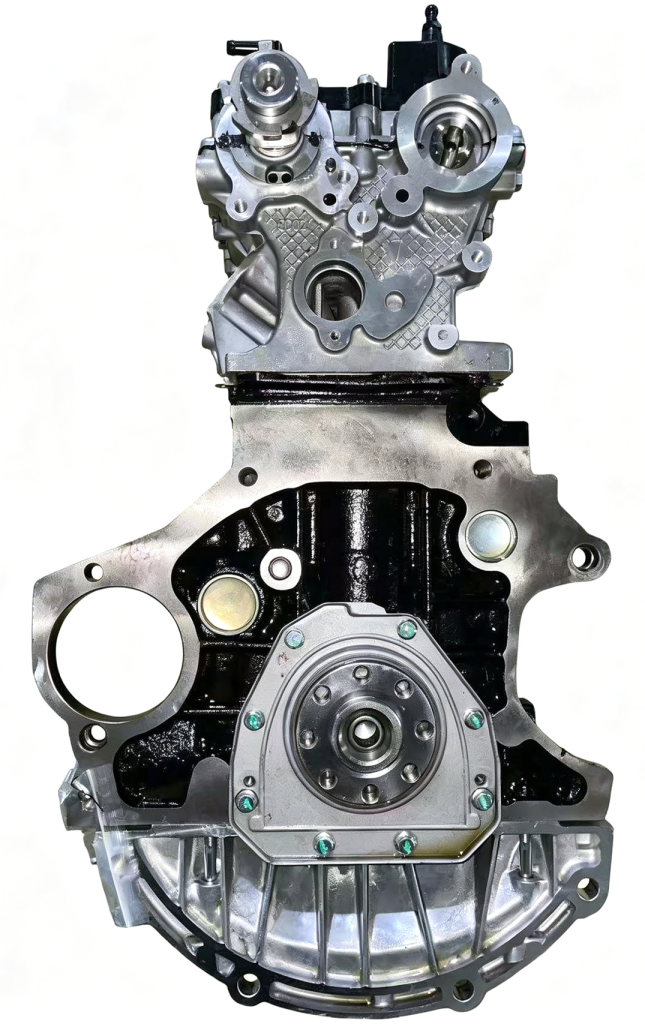
Engineered with contemporary automotive standards, the GW4C20NT features an all-aluminum alloy construction for both its cylinder block and cylinder head, contributing to reduced overall vehicle weight and improved thermal management. It incorporates gasoline direct injection (GDI) technology for precise fuel delivery and enhanced combustion efficiency. The valvetrain utilizes a dual overhead camshaft (DOHC) design with variable valve timing (VVT) on both intake and exhaust camshafts, optimizing power output across the RPM range while also improving fuel economy and emissions. A twin-scroll turbocharger with an intercooler further boosts performance by minimizing turbo lag and maximizing power delivery.
This specific engine variant, the GW4C20NT, has been widely deployed across Haval’s mid-size and large SUV lineup. Primary vehicle models include the Haval H6 (second and third generation, various trims), Haval H7, Haval H9, Haval F7, and Haval F7x. Production years typically span from the mid-2010s onwards, serving as a primary high-performance option for these popular models in various global markets.
Technical Specifications
| Displacement | 1967 cc |
| Max Power | 224 hp (165 kW) @ 5500 RPM |
| Max Torque | 385 Nm (39.2 kg*m) @ 1800-3600 RPM |
| Fuel Type | Gasoline (Petrol), RON 92 or higher recommended |
| Fuel Consumption (combined) | 7.8 – 8.5 l/100 km (Varies by vehicle model and conditions) |
| Engine Type | Inline 4-cylinder, Turbocharged, GDI, DOHC |
| Compression Ratio | 9.6:1 |
| Cylinder Bore | 88.0 mm |
| Piston Stroke | 82.0 mm |
| Valvetrain | DOHC with Dual VVT |
| Valves per Cylinder | 4 |
| Additional Info | Twin-scroll turbocharger, Chain-driven timing, Aluminum block and cylinder head |
Common Problems & Reliability
While generally considered a robust performer, the Haval GW4C20NT engine, like many modern GDI turbocharged units, exhibits a few common areas of concern. Carbon buildup on intake valves is a known issue due to the direct injection system not washing the valve stems with fuel. This can lead to reduced performance, rough idle, and misfires over time. Regular inspection and walnut blasting or chemical cleaning are recommended at higher mileages. Another potential weak point involves the turbocharger assembly. While designed for durability, consistent operation under high boost, especially with irregular oil changes or aggressive driving, can accelerate wear on bearings and seals, potentially leading to oil consumption or reduced boost pressure.
Less frequently, some owners have reported instances of increased oil consumption past the 100,000 km mark, often attributed to PCV system issues or worn piston rings/valve seals. The timing chain system is generally reliable, but its components, including tensioners and guides, should be inspected during major services to prevent premature wear. With diligent maintenance, the GW4C20NT engine can realistically achieve a service life exceeding 250,000 to 300,000 kilometers before requiring major internal overhauls.
Maintenance Tips & Service Schedule
Optimal longevity and performance from the GW4C20NT engine depend heavily on strict adherence to a comprehensive maintenance schedule. Engine oil and filter changes are critical, recommended every 7,500 to 10,000 kilometers or every 6 to 12 months, whichever comes first. Use a fully synthetic oil meeting API SN or SP specifications with a viscosity grade of 5W-30 or 5W-40, as specified in the owner’s manual. High-quality oil is paramount for turbocharger health.
Spark plugs should be inspected and replaced every 30,000 to 60,000 kilometers, with the lower end of the interval being more prudent for turbocharged GDI engines. The engine air filter requires inspection at every service and replacement every 15,000 to 30,000 kilometers, or more frequently in dusty environments. The coolant system should be flushed and refilled with the manufacturer-specified long-life coolant every 45,000 to 60,000 kilometers or every 3-5 years. While the timing chain is designed for the engine’s lifespan, its components should be professionally inspected for stretch or wear at around 150,000 kilometers, with replacement if significant wear is detected. Periodic inspection of the PCV valve and related hoses can also help mitigate carbon buildup issues.
Conclusion
The Haval GW4C20NT engine represents a capable and modern powertrain offering strong performance and respectable efficiency for its class. Its widespread use across Haval’s SUV lineup attests to its reliability and versatility. For a used vehicle buyer, this engine can be a safe and powerful choice, provided that its service history is impeccable and regular maintenance, particularly concerning oil changes and carbon buildup prevention, has been meticulously followed. Potential buyers should prioritize vehicles with documented service records to ensure the engine’s long-term health and mitigate common issues associated with GDI turbocharged systems.