
Overview & Design Features
The Haval GW4N20A is a modern, high-performance, turbocharged gasoline engine developed by Great Wall Motor (GWM), a prominent Chinese automotive manufacturer. This inline four-cylinder engine, with a displacement of 1998 cubic centimeters (2.0L), represents GWM’s commitment to advanced powertrain technology, delivering a balance of power, fuel efficiency, and emissions compliance. It is a cornerstone of Haval’s current vehicle lineup, powering a wide range of SUVs and trucks across various international markets. Its introduction marked a significant step forward in GWM’s engine development, showcasing competitive specifications against global counterparts.
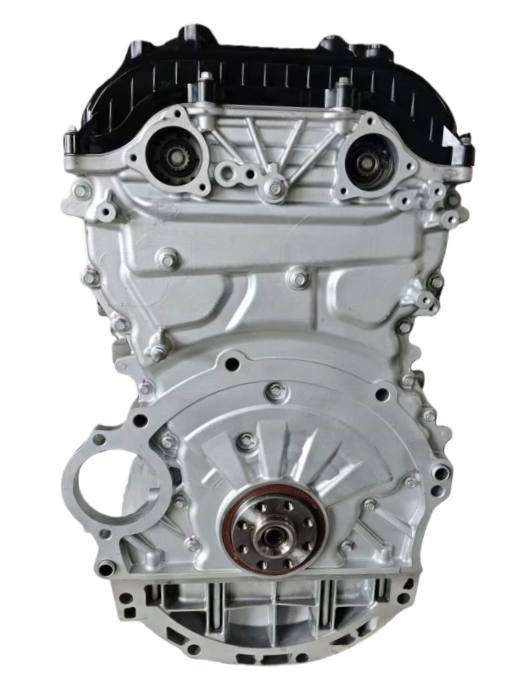
Engineered for efficiency and robust performance, the GW4N20A features an all-aluminum alloy cylinder block and cylinder head, contributing to reduced weight and improved heat dissipation. It utilizes a sophisticated gasoline direct injection (GDI) system for precise fuel delivery, optimizing combustion and minimizing emissions. The engine incorporates a twin-scroll turbocharger for enhanced responsiveness and torque delivery across a broad RPM range, mitigating turbo lag. Furthermore, advanced technologies such as Dual Variable Valve Timing (DVVT) and an electronic wastegate contribute to improved volumetric efficiency and overall engine control, allowing for optimal power output and fuel economy.
The GW4N20A engine has been extensively deployed across several key models within the Great Wall Motor group. It is prominently featured in popular Haval SUVs such as the Haval H6 (3rd generation onwards), Haval Dargo (also known as Big Dog), Haval F7, and Haval Shenshou (Monster). Beyond the Haval brand, this engine powers vehicles like the Tank 300, a rugged off-roader, and models under the WEY luxury sub-brand, including the WEY Latte. Production years vary by model and market, generally starting from 2020 onwards, underpinning various trim levels that prioritize performance and efficiency.
Technical Specifications
| Specification | Value |
|---|---|
| Displacement (cc) | 1998 |
| Max Power (hp (kW) @ RPM) | 228 (170) @ 5500 |
| Max Torque (Nm (kg*m) @ RPM) | 387 (39.5) @ 1750-4000 |
| Fuel Type | Gasoline (Recommended 95 RON) |
| Fuel Consumption (l/100 km) | Approximately 7.0 – 8.5 (Combined Cycle, vehicle dependent) |
| Engine Type | Inline-4, Turbocharged, Gasoline Direct Injection (GDI) |
| Compression Ratio | 11.5:1 |
| Cylinder Bore (mm) | 82.5 |
| Piston Stroke (mm) | 92.0 |
| Valvetrain | DOHC (Dual Overhead Camshaft) |
| Valves per Cylinder | 4 |
| Additional Info | Twin-scroll Turbocharger, Dual Variable Valve Timing (DVVT), Electronic Wastegate, Aluminum Block & Head |
Common Problems & Reliability
The GW4N20A engine, being a relatively recent development, generally demonstrates good reliability for its class, but like all modern turbocharged GDI engines, it has specific characteristics and potential concerns:
- Carbon Buildup: As a direct injection engine, the absence of fuel washing over the intake valves can lead to carbon deposits accumulating over time. This can restrict airflow, reduce performance, and potentially cause misfires or rough idling in higher-mileage vehicles. Regular maintenance and, if necessary, walnut blasting can mitigate this.
- Turbocharger Longevity: While generally robust, the twin-scroll turbocharger’s lifespan is intrinsically linked to oil quality and maintenance practices. Insufficient oil changes or use of incorrect oil viscosity can accelerate wear on turbo bearings, potentially leading to premature failure, manifesting as excessive oil consumption or power loss.
- Timing Chain Wear: The engine utilizes a timing chain system, which is typically designed for the life of the vehicle. However, on some high-mileage units (beyond 150,000 km), wear or stretching of the chain and tensioners can occur, leading to rattling noises, especially on cold start, and potential timing issues.
Under proper and diligent maintenance, the Haval GW4N20A engine is realistically expected to achieve a service life of 250,000 to 300,000 kilometers (approximately 155,000 to 186,000 miles) before requiring a major overhaul.
Maintenance Tips & Service Schedule
To ensure optimal performance and longevity from the GW4N20A engine, adherence to a strict maintenance schedule and professional-grade parts is crucial:
- Engine Oil & Filter: Replace every 7,500 to 10,000 kilometers (or 6-12 months, whichever comes first) using a high-quality synthetic engine oil meeting API SN/SP or ACEA C3 specifications, with a viscosity grade of 0W-20 or 5W-30, as recommended by the manufacturer based on climate.
- Spark Plugs: Inspect and replace Iridium spark plugs every 30,000 to 60,000 kilometers. This interval can vary depending on fuel quality and driving conditions.
- Air Filter: Replace the engine air filter every 15,000 to 30,000 kilometers, or more frequently if operating in dusty environments.
- Coolant System: Flush and replace engine coolant every 60,000 to 90,000 kilometers or every 3-5 years, using the specified long-life coolant type.
- Timing Chain: While designed for the engine’s life, periodic inspection for noise or excessive slack is advisable at major service intervals (e.g., every 150,000 km). Replacement is typically only necessary if issues are detected.
- Fuel System Cleaning: Given the GDI nature, periodic use of a high-quality fuel system cleaner can help prevent carbon buildup on injectors. Professional intake valve cleaning (walnut blasting) might be considered at higher mileages (e.g., 100,000+ km) as a preventative measure.
Conclusion
The Haval GW4N20A engine stands as a competitive and generally reliable powertrain within its segment. Its modern design, incorporating direct injection and turbocharging, provides a strong blend of power and efficiency suitable for a variety of contemporary vehicles. For a used vehicle buyer, an engine with a documented service history demonstrating adherence to manufacturer maintenance schedules represents a safe choice. While prone to typical GDI and turbocharged engine characteristics like potential carbon buildup, these issues are manageable with proactive maintenance. Overall, the GW4N20A is a capable engine, offering a robust platform for daily driving and more demanding tasks when properly cared for.