
Overview & Design Features
The GMC LK5 engine, a prominent member of General Motors’ “Atlas” engine family, represents a significant engineering achievement for the company. Introduced in 2002, this 4.2-liter (4160 cc) naturally aspirated inline six-cylinder powerplant marked GM’s return to the I6 configuration for light truck and SUV applications after decades. Designed to offer a balance of power, efficiency, and smoothness, the LK5 was engineered specifically for North American market demands, emphasizing robust performance for vehicles typically used for towing and utility.
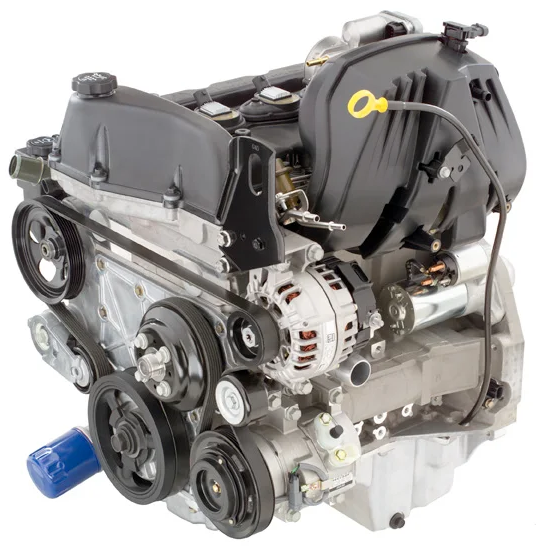
At its core, the LK5 features an all-aluminum construction, utilizing a cast aluminum cylinder block with cast-in iron cylinder liners and a lightweight aluminum cylinder head. This design choice significantly reduces overall engine weight, contributing to improved vehicle dynamics and fuel efficiency. It employs a Double Overhead Camshaft (DOHC) valvetrain with four valves per cylinder, totaling 24 valves, actuated via roller followers. Fuel delivery is managed by Port Fuel Injection (PFI), while Variable Valve Timing (VVT) on the exhaust camshaft (and later on both intake and exhaust) optimizes valve overlap for enhanced low-end torque and high-end power. The engine also incorporates a drive-by-wire throttle system and individual coil-on-plug ignition for precise control and improved combustion efficiency.
The LK5 engine was primarily deployed across a range of General Motors’ mid-size SUVs and trucks. Key vehicle models and their approximate production years include the Chevrolet TrailBlazer (2002-2009, excluding SS models), GMC Envoy (2002-2009, including XL and XUV variants), Oldsmobile Bravada (2002-2004), Buick Rainier (2004-2007), Saab 9-7X (4.2i models, 2005-2009), and the Isuzu Ascender (2003-2008).
Technical Specifications
| Displacement (cc) | 4160 cc (4.2 L) |
| Max Power (hp (kW) @ RPM) | 291 hp (217 kW) @ 6000 RPM (later revisions) |
| Max Torque (Nm (kg*m) @ RPM) | 376 Nm (38.3 kg*m) @ 4800 RPM (later revisions) |
| Fuel Type | Unleaded Gasoline (87 Octane Recommended) |
| Fuel Consumption (l/100 km) | 13.8 – 15.7 L/100 km (combined, varies by vehicle/configuration) |
| Engine Type | Inline 6-cylinder, DOHC, Port Fuel Injection |
| Compression Ratio | 10.0:1 |
| Cylinder Bore (mm) | 93 mm |
| Piston Stroke (mm) | 102 mm |
| Valvetrain | DOHC (Double Overhead Camshaft) |
| Valves per Cylinder | 4 (24 valves total) |
| Additional Info | All-aluminum construction, Variable Valve Timing (VVT) |
Common Problems & Reliability
The GMC LK5 engine generally demonstrates commendable reliability, but certain issues have been noted over its service life:
- Variable Valve Timing (VVT) Solenoid Failure: The VVT solenoids, critical for valve timing adjustment, can become clogged with debris or fail electrically. This often manifests as rough idling, reduced performance, or illumination of the “Check Engine” light. Regular, timely oil changes with appropriate viscosity oil are crucial to mitigate this issue.
- Water Pump Leaks: The water pump is a common wear item, with leaks often developing at higher mileages (typically beyond 100,000 miles). Early detection is important to prevent overheating and consequential engine damage.
- Ignition Coil Failures: Individual ignition coils can fail, leading to misfires and a noticeable reduction in engine power. This is usually easily diagnosed and remedied by replacing the faulty coil.
Under a regimen of proper and consistent maintenance, the LK5 engine is capable of achieving a realistic service life of 200,000 to 250,000 miles (approximately 320,000 to 400,000 km) before requiring a major overhaul.
Maintenance Tips & Service Schedule
Adhering to a diligent maintenance schedule is vital for preserving the longevity and performance of the GMC LK5 engine:
- Engine Oil & Filter: Recommended oil is a 5W-30 synthetic blend or full synthetic. Change intervals should follow the vehicle’s Oil Life Monitor (OLM), typically every 5,000-7,500 miles (8,000-12,000 km), or annually, whichever comes first. Consistent oil quality is paramount for VVT system health.
- Spark Plugs: Iridium-tipped spark plugs are specified and typically require replacement every 100,000 miles (160,000 km).
- Timing Chain: The LK5 uses a timing chain designed for the life of the engine. There is no scheduled replacement interval, but inspection for excessive stretch or noise is prudent at very high mileages (e.g., 200,000+ miles).
- Coolant Flush: Utilize DEX-COOL compatible coolant. A complete coolant system flush is recommended every 5 years or 100,000 miles (160,000 km).
- Air Filter: Inspect and replace the engine air filter as needed, generally every 15,000-30,000 miles (24,000-48,000 km), depending on driving conditions.
- Fuel Filter: The fuel filter is typically integrated into the fuel pump module and not routinely serviceable. Refer to specific vehicle service manuals.
- VVT Solenoid Inspection: Periodically inspect the VVT solenoids and their electrical connectors for signs of leakage or corrosion, especially if performance issues arise.
Conclusion
The GMC LK5 engine stands as a generally robust and reliable choice for a used vehicle buyer. Its inline six-cylinder configuration provides a smooth power delivery with ample torque for its intended applications. While it possesses a few known common issues, these are largely manageable with proactive maintenance, particularly concerning oil changes and addressing VVT solenoid health. A used vehicle equipped with the LK5 engine, provided it has a documented history of consistent and proper maintenance, represents a safe and capable investment for those seeking a dependable mid-size SUV or truck.