
Overview & Design Features
The GMC LLR engine is a 4.2-liter (4160 cc) naturally aspirated inline-six gasoline engine produced by General Motors. It belongs to GM’s “Atlas” family of engines, which represented a significant engineering effort to introduce a new generation of sophisticated inline engines, replacing older V6 and V8 designs in certain applications. Debuting in 2002, the LLR became a cornerstone powerplant for GM’s mid-size SUV platform, offering a blend of robust performance and fuel efficiency for its class, marking GM’s return to a modern inline-six configuration after a long hiatus.
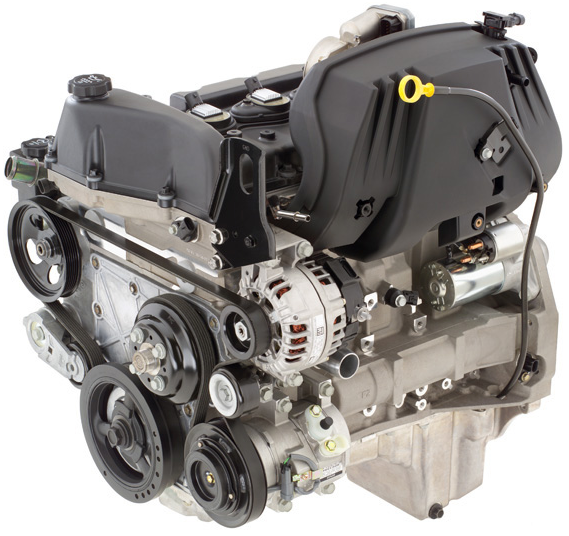
Engineered for durability and performance, the LLR features a lightweight all-aluminum construction, utilizing an aluminum cylinder block with cast-in iron liners and an aluminum DOHC (Dual Overhead Camshaft) cylinder head. It employs Sequential Port Fuel Injection (SFI) for precise fuel delivery and optimal combustion. A key technological advancement for the LLR was the integration of Variable Valve Timing (VVT) on the exhaust camshaft, enhancing power delivery across the RPM range and improving exhaust gas recirculation for emissions control. Further refinements include a coil-on-plug ignition system and electronic throttle control, contributing to its smooth operation and responsive performance.
The GMC LLR engine was predominantly deployed across General Motors’ GMT360 and GMT370 mid-size SUV platforms. Its primary applications included the 2002-2009 GMC Envoy, Chevrolet TrailBlazer, Oldsmobile Bravada, Buick Rainier, Isuzu Ascender, and Saab 9-7X. It served as the standard engine for most trims of these vehicles, often paired with a 4-speed automatic transmission, powering both two-wheel-drive and four-wheel-drive configurations.
Technical Specifications
| Displacement (cc) | 4160 cc |
| Max Power (hp (kW) @ RPM) | 291 hp (217 kW) @ 6000 RPM |
| Max Torque (Nm (kg*m) @ RPM) | 373 Nm (38 kg*m) @ 4800 RPM |
| Fuel Type | Regular Unleaded (87 Octane) |
| Fuel Consumption (l/100 km) | Approximately 14.7 l/100 km (combined, typical for 4WD SUV) |
| Engine Type | Inline 6-cylinder (I6) |
| Compression Ratio | 10.0:1 |
| Cylinder Bore (mm) | 93 mm |
| Piston Stroke (mm) | 102 mm |
| Valvetrain | DOHC (Dual Overhead Camshaft) |
| Valves per Cylinder | 4 |
| Additional Info | All-aluminum block and cylinder head, Coil-on-plug ignition, Electronic throttle control, VVT on exhaust camshaft |
Common Problems & Reliability
The GMC LLR engine is generally considered robust, but several common issues can arise over its service life. One prevalent concern involves the Positive Crankcase Ventilation (PCV) system. The PCV orifice can become restricted or clogged, leading to excessive oil consumption due to increased crankcase pressure drawing oil into the intake manifold. This often manifests as blue smoke from the exhaust, particularly under acceleration or after idling. Another common point of failure is the exhaust manifold, which can crack over time due to repeated heat cycles. This typically results in an audible ticking or exhaust leak sound, especially when the engine is cold, and can trigger a “Check Engine” light due to an oxygen sensor reading anomaly. Additionally, carbon buildup on the throttle body can lead to erratic idle speeds or stalling, though this is often easily remedied with cleaning. With proper and diligent maintenance, the LLR engine can achieve a realistic service life of 200,000 to 250,000 miles (320,000 to 400,000 km) before requiring a major overhaul.
Maintenance Tips & Service Schedule
Maintaining the GMC LLR engine proactively is crucial for its longevity and performance. Regular oil changes are paramount; it is recommended to use a high-quality synthetic blend or full synthetic 5W-30 motor oil every 5,000 to 7,500 miles (8,000 to 12,000 km) or every 6 months, whichever comes first. This is especially important for the proper operation of the VVT system. Spark plugs, specifically iridium-tipped types, should be replaced every 100,000 miles (160,000 km) to ensure optimal ignition efficiency. The timing chain, unlike a belt, is designed for the engine’s life, but high-mileage vehicles should have the chain and tensioners inspected for excessive wear or noise, particularly around 200,000 miles. A complete coolant flush and refill using DEX-COOL compatible coolant should be performed every 5 years or 100,000 miles (160,000 km). Furthermore, regular inspection and cleaning of the PCV valve and its associated orifice are critical to prevent oil consumption issues, and the throttle body should be cleaned every 50,000 miles (80,000 km) to maintain smooth idle and throttle response.
Conclusion
The GMC LLR engine, while possessing certain known vulnerabilities, stands as a generally reliable and robust powerplant within its class. Its inline-six configuration provides excellent balance, resulting in smooth operation, and its all-aluminum construction offers a favorable power-to-weight ratio. For a used vehicle buyer, an LLR-equipped vehicle represents a sound choice, provided that its maintenance history indicates diligent adherence to service schedules. Addressing common issues such as PCV system integrity, exhaust manifold condition, and throttle body cleanliness is key to unlocking its full potential for a long and dependable service life.