
Overview & Design Features
The GMC LYX engine is a modern, high-performance V6 power unit engineered by General Motors for its GMC brand vehicles. Debuting in the mid-2010s, this engine family represents a commitment to advanced technology, offering a balanced combination of power output, fuel efficiency, and refined operation. With a typical displacement of 3.6 liters (3564 cubic centimeters), the LYX is designed to deliver robust performance suitable for light-duty trucks, crossovers, and SUVs, providing a sophisticated alternative to larger V8 engines without sacrificing capability for its intended applications. Its development focused on optimizing the power-to-weight ratio and reducing emissions, aligning with contemporary automotive engineering standards.
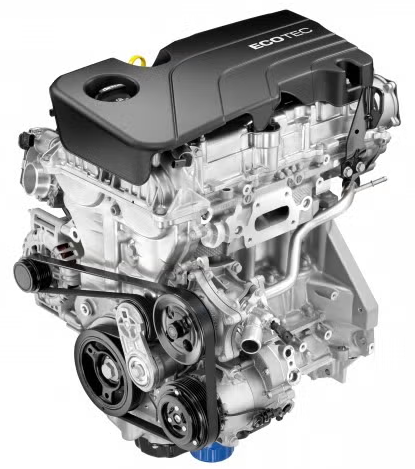
At its core, the LYX engine features an all-aluminum construction for both the cylinder block and cylinder heads, contributing significantly to its lighter weight and improved thermal management. It employs a sophisticated Direct Injection (DI) fuel system, which precisely atomizes fuel directly into the combustion chamber, enhancing combustion efficiency and power delivery while simultaneously reducing fuel consumption and emissions compared to traditional port injection systems. The valvetrain utilizes a Double Overhead Camshaft (DOHC) design with four valves per cylinder, complemented by Variable Valve Timing (VVT) on both intake and exhaust camshafts. This VVT system dynamically adjusts valve lift and duration, optimizing engine breathing across the entire RPM range for improved torque at low speeds and increased horsepower at higher RPMs. Furthermore, certain iterations of the LYX engine incorporate technologies such as Active Fuel Management (AFM) and Stop/Start systems to further enhance fuel economy under specific driving conditions.
The GMC LYX engine has been a cornerstone powerplant for a range of GMC’s popular vehicles. It was prominently featured in models such as the GMC Acadia, serving as a primary engine option for multiple trim levels from its introduction onwards. The engine also found extensive use in the GMC Canyon mid-size pickup truck, offering a powerful and efficient choice for customers seeking a balance between utility and daily drivability. Additionally, the LYX was integrated into select versions of the GMC Terrain, particularly in its later generations, and other General Motors vehicles sharing platforms with GMC models. Production years typically span from approximately 2016 through current models, establishing its role as a versatile and enduring powertrain within the GMC lineup.
Technical Specifications
| Displacement | 3564 cc |
| Max Power | 310 hp (231 kW) @ 6800 RPM |
| Max Torque | 370 Nm (37.7 kg*m) @ 5200 RPM |
| Fuel Type | Unleaded Gasoline (91 RON Recommended for Max Performance) |
| Fuel Consumption (Combined) | 9.8 l/100 km (varies by vehicle application) |
| Engine Type | V6, Naturally Aspirated, DOHC |
| Compression Ratio | 11.5:1 |
| Cylinder Bore | 94.0 mm |
| Piston Stroke | 85.6 mm |
| Valvetrain | Double Overhead Camshaft (DOHC) with Variable Valve Timing (VVT) |
| Valves per Cylinder | 4 |
| Additional Info | Direct Injection (DI), Aluminum Block & Heads, Electronic Throttle Control, Available with Active Fuel Management (AFM) and Stop/Start Technology |
Common Problems & Reliability
While the GMC LYX engine generally exhibits robust reliability, certain areas have been identified as potential points of concern for owners, particularly as mileage accumulates. One notable issue common to many direct-injection engines, including the LYX, is the propensity for carbon buildup on the intake valves. Since fuel is injected directly into the cylinders, the intake valves are not “washed” by gasoline, leading to carbon deposits from oil vapor via the PCV system. This can result in misfires, reduced power, rough idle, and decreased fuel efficiency over time, often necessitating walnut blasting or chemical cleaning at higher mileages.
Another area of focus involves the timing chain system. In some instances, particularly with extended oil change intervals or inadequate lubrication, premature timing chain wear or stretch can occur. Symptoms include a rattling noise from the engine’s front, especially on cold starts, and can eventually lead to illuminated check engine lights and performance issues. Failure to address a stretched timing chain can result in significant engine damage. The PCV (Positive Crankcase Ventilation) system can also be a source of problems, with clogged or faulty PCV valves contributing to increased oil consumption or internal pressure issues that can manifest as oil leaks or seal failures. Regular inspection of the PCV system is advisable.
With proper and diligent maintenance, including adherence to recommended service schedules and quality oil usage, the GMC LYX engine can realistically achieve a service life exceeding 250,000 kilometers (approximately 155,000 miles) before requiring any major internal overhaul.
Maintenance Tips & Service Schedule
Maintaining the GMC LYX engine rigorously is crucial for its longevity and optimal performance. Regular engine oil changes are paramount; it is recommended to use a full synthetic 5W-30 motor oil that meets GM’s dexos1™ Gen 2 specification (or equivalent) every 7,500 to 10,000 kilometers (4,500 to 6,000 miles) or every 6-12 months, whichever comes first, especially when operating under severe conditions. Ignoring oil changes or using non-specified oil can accelerate timing chain wear and carbon buildup.
Spark plugs typically require replacement every 100,000 to 160,000 kilometers (60,000 to 100,000 miles), depending on usage and manufacturer recommendations. Using OEM or equivalent platinum/iridium spark plugs is essential for maintaining proper ignition and fuel efficiency. The engine air filter should be inspected at every oil change and replaced every 25,000 to 50,000 kilometers (15,000 to 30,000 miles), or more frequently in dusty environments, to ensure proper airflow and prevent contaminants from entering the engine. Coolant flushes and replacements are typically recommended every 5 years or 150,000 kilometers (90,000 miles) using an approved extended-life coolant to prevent corrosion and maintain proper engine temperature.
The timing chain, while designed for the life of the engine, benefits from regular inspection by a qualified technician, particularly if any rattling noises are heard. Preventative measures against carbon buildup include using high-quality top-tier gasoline and occasional use of approved fuel system cleaners. A professional carbon cleaning procedure may be necessary around the 100,000 to 150,000 kilometer mark depending on driving habits and fuel quality. Regular inspection of the serpentine belt and tensioner, along with all fluid levels, contributes to overall engine health.
Conclusion
The GMC LYX engine stands as a technically advanced and generally reliable V6 powerplant, offering a compelling blend of performance and efficiency for its target vehicles. For a used vehicle buyer, the LYX can be considered a safe and solid choice, provided its maintenance history is impeccable and specific attention has been paid to the known potential issues. Due diligence should involve checking for any signs of timing chain noise, assessing previous oil change intervals, and inquiring about any services related to carbon buildup. With a history of consistent, manufacturer-recommended maintenance, especially with respect to oil quality and change frequency, the LYX engine is capable of providing many years and miles of dependable service, making it a sound investment in a used GMC vehicle.