
Overview & Design Features
The MG 14N4S2 is a specific iteration of a compact, naturally aspirated 1.4-liter four-cylinder gasoline engine, primarily developed by SAIC Motor for its global MG brand vehicles. This engine represents a modern engineering approach to providing a balance of fuel efficiency, emissions compliance, and adequate performance for entry-level and compact vehicle segments. Its design focuses on cost-effectiveness and reliability, making it a suitable powertrain for urban and suburban driving conditions. The 14N4S2 designation signifies its 1.4-liter displacement, its inline-four configuration, and specific technical revisions within SAIC’s engine family.
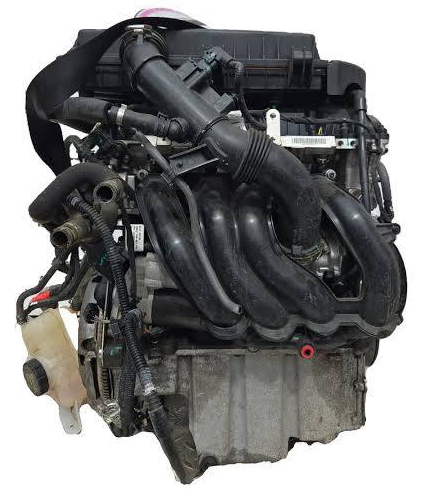
Engineered with a robust cast iron cylinder block and an aluminum alloy cylinder head, the 14N4S2 optimizes both durability and weight reduction, contributing to overall vehicle dynamics and thermal management. It employs a Dual Overhead Camshaft (DOHC) design, actuating 16 valves (four per cylinder), which enhances volumetric efficiency across various engine speeds. Fuel delivery is managed by a multi-point electronic fuel injection (MPI) system, known for its reliability and precise fuel metering, ensuring efficient combustion and compliance with contemporary emissions standards. Furthermore, the engine incorporates Variable Valve Timing (VVT) on the intake camshaft, dynamically adjusting valve overlap to improve low-end torque delivery and high-end power while optimizing fuel economy.
The MG 14N4S2 engine has been widely deployed in several popular MG models, typically powering specific trims requiring an economical yet capable powertrain. It was predominantly featured in the MG3 supermini across various markets, including the UK, Australia, and parts of Asia, during its production run from approximately 2011 onwards, particularly for models adhering to Euro V and Euro VI emissions regulations. Additionally, this engine variant or close derivatives may have appeared in other compact SAIC-MG vehicles, such as certain versions of the MG ZS or MG5, catering to consumer demand for reliable and efficient small-displacement engines.
Technical Specifications
| Specification | Value |
|---|---|
| Displacement | 1349 cc |
| Max Power | 106 hp (78 kW) @ 6000 RPM |
| Max Torque | 135 Nm (13.8 kg*m) @ 4500 RPM |
| Fuel Type | Unleaded Gasoline (91 RON minimum) |
| Fuel Consumption (Combined) | 6.0 l/100 km |
| Engine Type | Inline 4-cylinder, DOHC, MPI, VVT |
| Compression Ratio | 10.5:1 |
| Cylinder Bore | 75.0 mm |
| Piston Stroke | 76.5 mm |
| Valvetrain | DOHC, 16-valve, Chain-driven |
| Valves per Cylinder | 4 |
| Additional Info | Variable Valve Timing (VVT) on intake camshaft |
Common Problems & Reliability
The MG 14N4S2 generally exhibits satisfactory reliability for its class, but like all engines, it possesses a few identifiable weak points that prospective owners should be aware of. One common issue is the potential for accelerated timing chain wear or stretching. While designed to be a “lifetime” component, inconsistent oil changes or the use of incorrect oil viscosity can lead to premature chain noise or failure, typically manifesting as a rattling sound from the front of the engine, particularly at startup. Inspection and replacement of the timing chain and guides may be necessary around 150,000 km in some cases.
Another area of concern can be the ignition system components, specifically ignition coils and spark plugs. Failures in these components often result in engine misfires, rough idling, or reduced power output, frequently triggering the “Check Engine” light. While spark plugs are a routine service item, ignition coil failures can occur at varying mileages, especially in vehicles nearing or exceeding 100,000 km. Regular replacement of spark plugs at specified intervals helps to mitigate stress on the ignition coils.
Furthermore, occasional reports of sensor failures, such as the oxygen (O2) sensors or crankshaft position sensor, have been noted. Malfunctioning sensors can lead to incorrect air-fuel mixture readings, impacting fuel economy and emissions, or causing intermittent starting issues. Diagnostic trouble codes (DTCs) from the engine control unit (ECU) typically pinpoint these issues effectively. With proper and diligent maintenance, including regular fluid changes and prompt attention to warning lights, the MG 14N4S2 engine is realistically expected to achieve a service life exceeding 200,000 to 250,000 km before requiring a major overhaul.
Maintenance Tips & Service Schedule
To ensure the longevity and optimal performance of the MG 14N4S2 engine, adherence to a strict maintenance schedule is paramount. The most critical aspect is regular engine oil and filter changes. It is recommended to use a high-quality synthetic or semi-synthetic engine oil, typically with a viscosity grade of 5W-30 or 5W-40, conforming to API SN/SP specifications. Oil and filter changes should be performed every 10,000 to 15,000 km or annually, whichever comes first, to prevent sludge buildup and timing chain wear.
Spark plugs require replacement every 40,000 to 60,000 km, depending on driving conditions and the type of plug installed. Using original equipment manufacturer (OEM) or equivalent iridium-tipped spark plugs is advisable for consistent ignition. The air filter should be inspected at every service and replaced every 20,000 to 30,000 km or annually to maintain proper air intake and fuel efficiency. The coolant should be flushed and replaced every 60,000 to 80,000 km or every 3-4 years, using a long-life ethylene glycol-based coolant specified by the manufacturer. While the timing chain is designed for the engine’s lifespan, it should be audibly inspected during routine services, especially on high-mileage examples, with replacement considered if excessive noise or slack is detected.
Conclusion
The MG 14N4S2 engine stands as a generally reliable and economical powertrain choice, especially for those seeking an affordable and efficient vehicle for daily commuting or urban environments. Its straightforward design, combined with features like DOHC and VVT, offers a competent balance of performance and fuel economy without excessive complexity. For a used vehicle buyer, this engine represents a safe and practical option, provided the vehicle has a documented history of consistent and proper maintenance. Thorough pre-purchase inspections should specifically check for signs of neglect, such as neglected oil changes, timing chain noise, or persistent check engine lights related to ignition or sensor issues. With diligent care and adherence to the recommended service schedule, vehicles equipped with the MG 14N4S2 can provide many years of dependable service.