
Overview & Design Features
The Cadillac B207L engine represents a high-performance iteration within General Motors’ Ecotec family, specifically engineered for luxury and sport applications. This 2.0-liter (1998 cc) turbocharged inline four-cylinder powerplant was developed by Cadillac to deliver a compelling blend of power, efficiency, and refinement. Its introduction marked a significant shift towards more compact, forced-induction engines in Cadillac’s lineup, aligning with global trends for performance and fuel economy without sacrificing the brand’s distinguished driving experience.
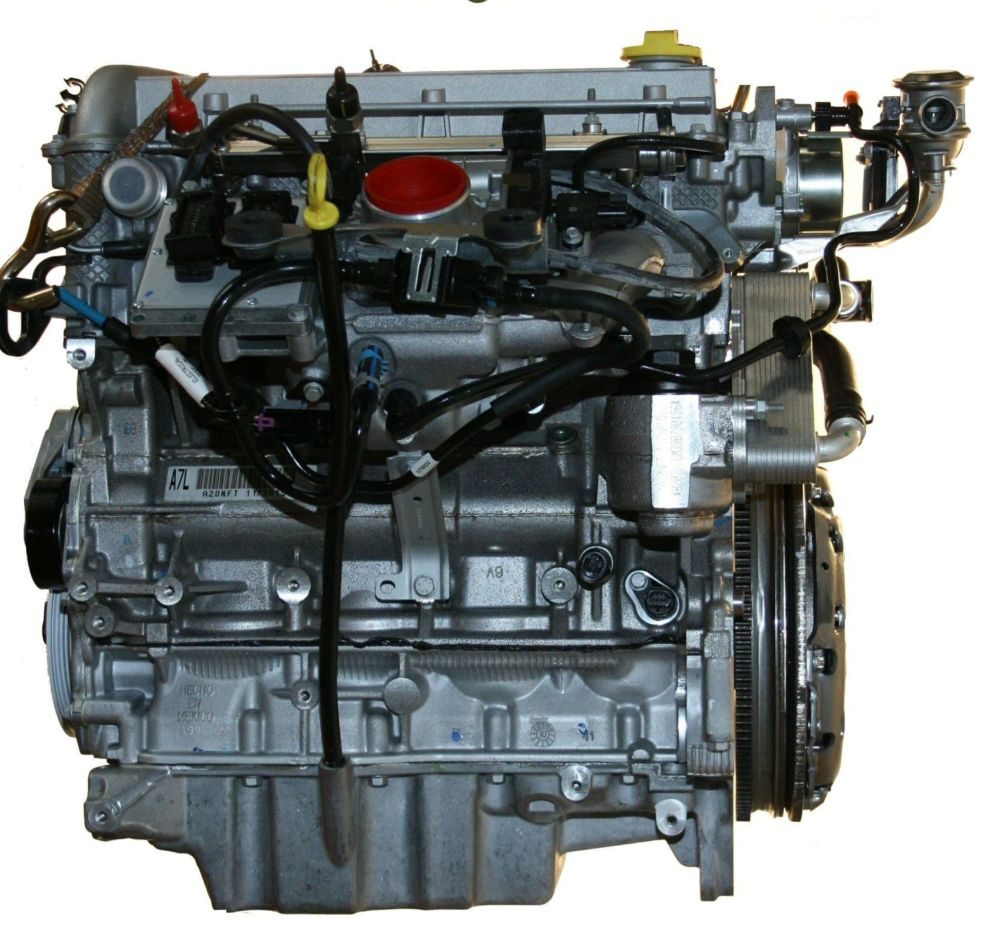
At its core, the B207L features a robust lightweight aluminum cylinder block and cylinder head, crucial for weight reduction and thermal management. Fuel delivery is handled by a sophisticated direct injection system (SIDI – Spark Ignition Direct Injection), precisely metering fuel directly into the combustion chambers for improved efficiency and power output. Complementing this is a dual overhead camshaft (DOHC) valvetrain incorporating continuously Variable Valve Timing (VVT) on both intake and exhaust sides, optimizing valve overlap for enhanced torque delivery across the RPM range and reduced emissions. Forced induction is provided by a twin-scroll turbocharger, which minimizes lag and ensures a broad, flat torque curve, contributing to the engine’s responsive character.
This particular iteration of the 2.0L turbocharged engine saw deployment across several key Cadillac models. It was prominently featured in the Cadillac ATS from its debut in 2013 through 2019, serving as the primary four-cylinder engine option. The B207L also powered various trims of the Cadillac CTS, specifically the third generation (2014-2019), where it offered a potent and efficient base engine choice. Its application underscored Cadillac’s commitment to delivering a dynamic driving experience coupled with modern engine technology.
Technical Specifications
| Specification | Value |
|---|---|
| Displacement (cc) | 1998 |
| Max Power (hp (kW) @ RPM) | 272 (203) @ 5500 |
| Max Torque (Nm (kg*m) @ RPM) | 400 (40.8) @ 3000-4600 |
| Fuel Type | Premium Unleaded (91+ octane recommended) |
| Fuel Consumption (l/100 km) | ~8.7 (Combined for ATS RWD Automatic) |
| Engine Type | Inline 4-cylinder, DOHC, Turbocharged, Direct Injection |
| Compression Ratio | 9.2:1 |
| Cylinder Bore (mm) | 86.0 |
| Piston Stroke (mm) | 86.0 |
| Valvetrain | DOHC with Variable Valve Timing (VVT) |
| Valves per Cylinder | 4 (16 total) |
| Additional Info | Twin-scroll turbocharger, Integrated exhaust manifold, Spark Ignition Direct Injection (SIDI) |
Common Problems & Reliability
- Carbon Buildup on Intake Valves: As a direct injection engine, the B207L is susceptible to carbon deposits on the intake valves due to the absence of fuel washing over them. This can lead to reduced airflow, misfires, decreased power, and poor fuel economy over time. Walnut blasting or chemical cleaning at higher mileages (e.g., 100,000-150,000 km) may be necessary.
- PCV System and Oil Consumption: Issues with the Positive Crankcase Ventilation (PCV) system, particularly the integrated PCV valve in the intake manifold, can lead to increased oil consumption. A failing PCV system may cause oil to be drawn into the intake tract, potentially contributing to turbocharger longevity issues and further carbon buildup. Early diagnosis and replacement of faulty PCV components are critical.
- Timing Chain Wear: While generally robust, some instances of timing chain stretch or wear have been reported at higher mileages, typically above 150,000 km. Symptoms include engine rattling, especially on cold start, and illumination of the check engine light. Regular oil changes with high-quality synthetic oil are crucial for preserving timing chain life.
With diligent maintenance and timely address of potential issues, the Cadillac B207L engine can achieve a realistic service life exceeding 250,000 to 300,000 kilometers before requiring a major overhaul.
Maintenance Tips & Service Schedule
- Engine Oil and Filter: Perform oil and filter changes every 7,500 to 10,000 kilometers or annually, whichever comes first. Always use synthetic engine oil meeting GM’s dexos1 Gen2 specification, typically 5W-30 viscosity. Adherence to this schedule is paramount for turbocharger and timing chain longevity.
- Spark Plugs: Replace spark plugs every 80,000 to 100,000 kilometers. Use the manufacturer-specified iridium-tipped plugs to maintain optimal combustion and prevent misfires, especially under boost.
- Air Filter: Inspect the engine air filter annually or every 20,000-30,000 kilometers and replace as needed. A clean air filter is essential for engine performance and efficiency.
- Coolant Flush: Perform a cooling system flush and refill with manufacturer-approved long-life coolant every 5 years or 150,000 kilometers. Maintaining proper coolant levels and quality protects against overheating and corrosion.
- Fuel System Cleaner: Regular use of a quality fuel system cleaner, particularly one formulated to address direct injection deposits, can help mitigate carbon buildup on the intake valves and injectors. Follow product instructions, often recommended every 5,000-10,000 kilometers.
Conclusion
The Cadillac B207L engine stands as a technically advanced and generally reliable powerplant, offering impressive performance and reasonable fuel efficiency for its class. Its robust aluminum construction and advanced features like direct injection and variable valve timing contribute to a refined driving experience. While specific issues such as carbon buildup and potential PCV system vulnerabilities require attention, these are largely manageable through proactive maintenance and adherence to manufacturer service schedules. For a used vehicle buyer, a B207L-equipped Cadillac represents a safe and enjoyable choice, provided there is a verifiable history of consistent and proper maintenance.