
Overview & Design Features
The Cadillac GM Oldsmobile LT7 engine represents a distinctive, high-performance V8 variant developed within the General Motors architecture, specifically tailored for Cadillac’s luxury performance segment. With a displacement of 6.0 liters (366 cubic inches) and an overhead valve (OHV) configuration, the LT7 was engineered to provide a robust combination of power and torque, delivering a characteristic American V8 driving experience. This engine, while drawing on the foundational principles of GM’s small-block lineage, featured specific enhancements intended to elevate its performance and refinement suitable for Cadillac applications. Its designation, uniquely combining “GM Oldsmobile” with the “LT” series, suggests a blend of established GM V8 technology, potentially with specialized Oldsmobile engineering input or manufacturing focus, alongside Cadillac’s performance tuning requirements.
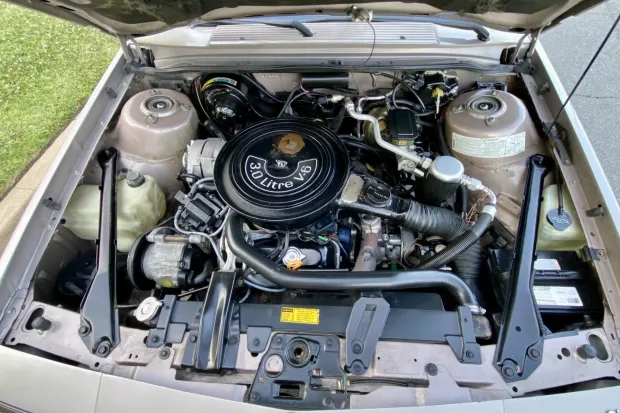
The core engineering of the LT7 featured an all-aluminum construction for both the cylinder block and cylinder heads, a choice made to minimize overall engine weight and improve thermal management. This lightweight design contributed to a better power-to-weight ratio and enhanced vehicle dynamics. Fuel delivery was managed by a sophisticated sequential multi-port electronic fuel injection (EFI) system, ensuring precise fuel metering and optimal combustion across various operating conditions. The valvetrain utilized a hydraulic roller lifter system, operating two valves per cylinder. This setup, renowned for its durability and relatively low maintenance, was optimized for a broad torque curve, providing immediate power response characteristic of luxury performance vehicles. Further refinements included a precisely tuned intake manifold designed to optimize airflow and charge velocity, contributing to its impressive power and torque figures.
The GM Oldsmobile LT7 engine was primarily deployed in Cadillac’s more performance-oriented luxury vehicles during the early 2000s, signifying Cadillac’s commitment to offering compelling powertrain options. It found its application in select trims of the 2002-2005 Cadillac CTS-V, serving as a powerful and reliable heart for the brand’s foray into high-performance luxury sedans. Additionally, limited production runs saw the LT7 utilized in special edition Cadillac XLR-V models from 2004-2005, where its potent output complemented the roadster’s sport-luxury character. The engine’s integration into these flagship models underscored its role as a premier offering within the Cadillac performance portfolio.
Technical Specifications
| Displacement (cc) | 5967 cc (6.0 L) |
| Max Power (hp (kW) @ RPM) | 400 hp (298 kW) @ 6000 RPM |
| Max Torque (Nm (kg*m) @ RPM) | 535 Nm (54.6 kg*m) @ 4400 RPM |
| Fuel Type | Premium Unleaded (91+ RON) |
| Fuel Consumption (l/100 km) | 14.7 (combined, varies by vehicle) |
| Engine Type | OHV V8 |
| Compression Ratio | 10.9:1 |
| Cylinder Bore (mm) | 101.6 mm |
| Piston Stroke (mm) | 92.0 mm |
| Valvetrain | Pushrod, Hydraulic Roller Lifters |
| Valves per Cylinder | 2 |
| Additional Info | All-aluminum block and heads, Sequential Multi-Port EFI |
Common Problems & Reliability
The Cadillac GM Oldsmobile LT7 engine, while generally robust, exhibits a few common issues typical of high-performance V8s of its era. A primary concern for owners can be elevated oil consumption, often attributable to wear in valve stem seals or piston rings at higher mileages. This necessitates regular monitoring of oil levels and timely top-ups. Another common point of failure involves the intake manifold gaskets, which can deteriorate over time, leading to vacuum leaks, rough idling, and potentially coolant leaks. Replacement with updated, more durable gaskets is a recommended preventative measure. Lastly, certain sensors, such as the camshaft position sensor or crankshaft position sensor, may experience failures, leading to intermittent starting issues or engine performance degradation. These components are typically replaced without major difficulty.
Under a regimen of proper maintenance and routine servicing, the LT7 engine is known for its commendable durability. A realistic expected service life before requiring a major overhaul, such as a rebuild involving piston rings or bearing replacement, often exceeds 180,000 to 200,000 miles. Many units have surpassed this mileage with diligent care, showcasing the inherent strength of its underlying GM V8 architecture.
Maintenance Tips & Service Schedule
Optimal longevity and performance from the LT7 engine are achieved through adherence to a stringent maintenance schedule. Engine oil and filter changes should occur every 5,000 to 7,500 miles or every 6 months, whichever comes first, utilizing a high-quality full-synthetic 5W-30 motor oil that meets GM’s specified dexos standards. Spark plugs, ideally iridium or platinum-tipped, require replacement every 60,000 to 80,000 miles to maintain ignition efficiency and fuel economy. The engine’s timing system employs a durable chain, which typically does not require scheduled replacement under normal operating conditions; however, inspection for excessive slack is advisable at 150,000 miles or if unusual noises are present. Coolant flushes with GM-approved Dex-Cool antifreeze are recommended every 5 years or 100,000 miles to prevent corrosion and maintain cooling system efficiency. Other routine items include air filter replacement every 15,000-30,000 miles and accessory drive belt inspection/replacement as needed, typically every 60,000 miles.
Conclusion
The Cadillac GM Oldsmobile LT7 engine stands as a compelling choice for enthusiasts and used vehicle buyers seeking a powerful and engaging driving experience from a Cadillac performance model. Its robust all-aluminum construction, significant power output, and respectable reliability track record make it a desirable powertrain. While susceptible to a few common issues, these are well-documented and manageable with proactive maintenance. For a used vehicle buyer, an LT7-equipped Cadillac represents a generally safe and reliable investment, provided a comprehensive pre-purchase inspection confirms diligent prior maintenance. Its strong performance characteristics and the inherent durability of its GM V8 design offer a rewarding ownership experience, positioning it as a capable and enduring option in the luxury performance segment.