
The popular Hover H2 SUV and a comparable Wingle 3 pickup truck were equipped with the 2.8-liter Great Wall GW2.8TC diesel engine, which was manufactured in China between 2006 and 2011. This device uses the Bosch CRS2.0 fuel system and is a replica of the Isuzu 4JB1 diesel engine.
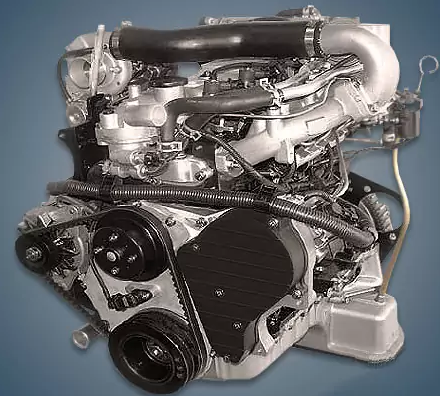
Specifications
| Production years | 2006-2011 |
| Displacement, cc | 2771 |
| Fuel system | Common Rail |
| Power output, hp | 95 |
| Torque output, Nm | 225 |
| Cylinder block | cast iron R4 |
| Block head | aluminum 8v |
| Cylinder bore, mm | 93 |
| Piston stroke, mm | 102 |
| Compression ratio | 17.2 |
| Features | OHV |
| Hydraulic lifters | no |
| Timing drive | belt |
| Phase regulator | no |
| Turbocharging | MHI TF035HM |
| Recommended engine oil | 10W-40 |
| Engine oil capacity, liter | 5.2 |
| Fuel type | diesel |
| Euro standards | EURO 3 |
| Fuel consumption, L/100 km (for Great Wall Hover 2009) — city — highway — combined |
10.3 8.4 9.1 |
| Engine lifespan, km | ~250 000 |
| Weight, kg | 240 (with attachments) |
The engine was installed on:
- Great Wall Hover H2 in 2006 – 2010;
- Great Wall Wingle 3 in 2006 – 2011.
Disadvantages of the Great Wall GW2.8TC engine
The most problematic part is the crankcase ventilation, where oil frequently gets through the dipstick;
The fast injector wear, which occasionally lasts for 100,000 kilometers, comes in second;
Additionally, many owners just turn off the EGR valve because it clogs easily here;
The engine needs to be improved for a confident start in the winter because it does not start well in cold weather;
The timing belt, oil pump, generator, and water pump are the engine’s weak points;
The valve clearance needs to be changed every 40,000 kilometers, and there are no hydraulic lifters.