
Produced in France between 2005 and 2012, the 1.4-liter Peugeot TU3A or KFV engine was essentially an adaptation of the popular TU3JP engine to meet the current EURO 4 environmental standards. Small cars like the 206, 207, and Partner had this power unit installed.
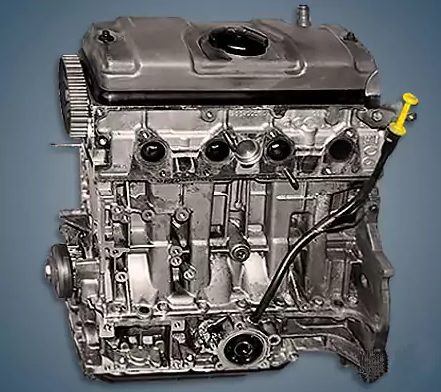
TU1JP, TU3K, TU3JP, TU3A, TU5JP, and TU5JP4 are engines belonging to the TU family.
The engine was mounted on:
- Peugeot 1007 I (A8) in 2005 – 2009;
- Peugeot 206 I (T1) in 2006 – 2012;
- Peugeot 207 I (A7) in 2006 – 2012;
- Peugeot Partner I (M49/M59) in 2005 – 2008;
- Citroen C2 in 2005 – 2009;
- Citroen C3 in 2005 – 2009.
Specifications
| Production years | 2005-2012 |
| Displacement, cc | 1360 |
| Fuel system | injector |
| Power output, hp | 73 |
| Torque output, Nm | 118 |
| Cylinder block | aluminum R4 |
| Block head | aluminum 8v |
| Cylinder bore, mm | 75 |
| Piston stroke, mm | 77 |
| Compression ratio | 10.2 |
| Features | no |
| Hydraulic lifters | no |
| Timing drive | belt |
| Phase regulator | no |
| Turbocharging | no |
| Recommended engine oil | 5W-40 |
| Engine oil capacity, liter | 3.0 |
| Fuel type | petrol |
| Euro standards | EURO 4/5 |
| Fuel consumption, L/100 km (for Peugeot 207 2008) — city — highway — combined |
8.4 5.0 6.3 |
| Engine lifespan, km | ~250 000 |
| Weight, kg | 105 |
Disadvantages of the TU3A engine
The majority of issues are caused by ignition system component failures;
Idle speed control issues and a dirty throttle are typically the cause of floating engine speeds;
Keep an eye on the belt’s condition because it frequently wears out before the planned 90,000 kilometers; avoid letting the motor overheat because the valve stem seals will quickly tan in it;
The thermal clearances of the valves here need to be adjusted every 70 to 90 thousand kilometers.