
From 2000 to 2008, the company produced the 2.0-liter Audi 2.0 ALT gasoline engine, which was fitted to longitudinal engine models like the A4, A6, and Passat. In the aftermarket, this power unit is infamous for using a lot of oil.
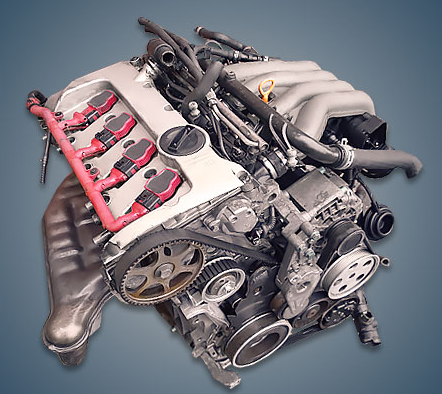
The EA113-2.0 series includes: APK, AQY, AXA, AZJ, AZM, ALT, BSX.
Specifications
| Production years | 2000-2008 |
| Displacement, cc | 1984 |
| Fuel system | injector |
| Power output, hp | 130 |
| Torque output, Nm | 195 |
| Cylinder block | aluminum R4 |
| Block head | aluminum 20v |
| Cylinder bore, mm | 82.5 |
| Piston stroke, mm | 92.8 |
| Compression ratio | 10.3 |
| Features | DOHC |
| Hydraulic lifters | yes |
| Timing drive | chain & belt |
| Phase regulator | yes |
| Turbocharging | no |
| Recommended engine oil | 5W-30 |
| Engine oil capacity, liter | 4.2 |
| Fuel type | petrol |
| Euro standards | EURO 3/4 |
| Fuel consumption, L/100 km (for Audi A4 2003) — city — highway — combined |
11.4 5.9 7.9 |
| Engine lifespan, km | ~300 000 |
The engine was installed on:
- Audi A4 B6 (8E) in 2000 – 2004; A4 B7 (8E) in 2004 – 2008;
- Audi A6 C5 (4B) in 2001 – 2005;
- Volkswagen Passat B5 (3B) in 2001 – 2005.
Disadvantages of the Audi ALT engine
To begin with, this engine is renowned for its remarkable oil consumption.
The low resource of the chain tensioner, which doubles as a phase regulator, comes in second.
Air leaks are caused by frequent cracks in the crankcase ventilation pipes.
Additionally, the lubricant pressure sensor and oil pump are not very sturdy.
Modern hollow exhaust valves frequently burst here at high mileage.