
From 2006 to 2010, only all-wheel drive versions of the well-liked B6 Passat model were equipped with the 3.2-liter Volkswagen AXZ 3.2 FSI gasoline engine. Many people mistake this VR6 unit for an identical-sized V6 engine that was mounted on an Audi.
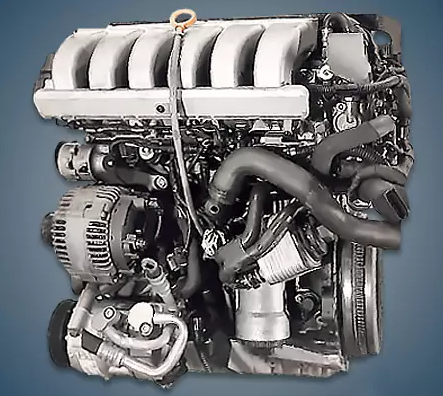
AXZ, BHK, BWS, CDVC, CMTA, and CMVA are all part of the EA390 series.
Specifications
| Production years | 2006-2010 |
| Displacement, cc | 3168 |
| Fuel system | direct injection |
| Power output, hp | 250 |
| Torque output, Nm | 330 |
| Cylinder block | cast iron VR6 |
| Block head | aluminum 24v |
| Cylinder bore, mm | 86 |
| Piston stroke, mm | 90.9 |
| Compression ratio | 12.0 |
| Features | no |
| Hydraulic lifters | yes |
| Timing drive | chain |
| Phase regulator | on both shafts |
| Turbocharging | no |
| Recommended engine oil | 5W-30 |
| Engine oil capacity, liter | 5.5 |
| Fuel type | petrol |
| Euro standards | EURO 4 |
| Fuel consumption, L/100 km (for VW Passat 2008) — city — highway — combined |
13.9 7.5 9.8 |
| Engine lifespan, km | ~320 000 |
| Weight, kg | 185 |
The engine was installed on:
- Volkswagen Passat B6 (3C) in 2006 – 2010.
Disadvantages of the VW AXZ engine
The owners’ primary grievances stem from the comparatively high fuel consumption;
In winter, condensate buildup in the exhaust system may prevent the engine from starting;
Crankcase ventilation has many issues; typically, the membrane is replaced here;
Decarbonization must be done on a regular basis because soot quickly overgrows exhaust valves;
Tensioners, timing chains, injection pumps, and ignition coils are renowned for having few resources.