
Mass models like the A4, A5, A6, and Q5 were equipped with the 2.0-liter gasoline turbo engine Audi CDNB 2.0 TFSI, which was manufactured between 2008 and 2014. A comparable motor that met the strict ULEV environmental standards in the United States had a CAEA index.
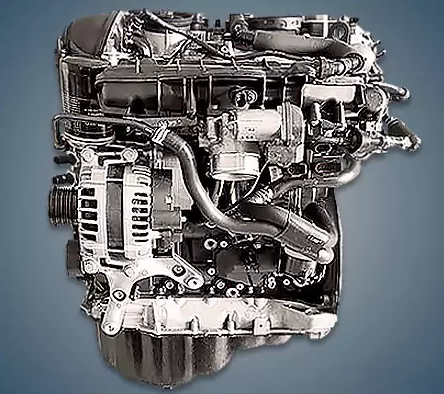
The EA888 gen2 series includes: CDAA, CDAB, CDHA, CDHB, CCZA, CCZB, CCZC, CCZD, CDNB, CDNC, CAEA, CAEB.
Specifications
| Production years | 2008-2014 |
| Displacement, cc | 1984 |
| Fuel system | direct injection |
| Power output, hp | 180 |
| Torque output, Nm | 320 |
| Cylinder block | cast iron R4 |
| Block head | aluminum 16v |
| Cylinder bore, mm | 82.5 |
| Piston stroke, mm | 92.8 |
| Compression ratio | 9.6 |
| Features | DOHC, AVS |
| Hydraulic lifters | yes |
| Timing drive | chain |
| Phase regulator | on the intake shaft |
| Turbocharging | KKK K03 |
| Recommended engine oil | 5W-30 |
| Engine oil capacity, liter | 4.6 |
| Fuel type | petrol |
| Euro standards | EURO 5 |
| Fuel consumption, L/100 km (for Audi A6 2012) — city — highway — combined |
8.3 5.4 6.5 |
| Engine lifespan, km | ~260 000 |
| Weight, kg | 142 |
The engine was installed on:
- Audi A4 B8 (8K) in 2008 – 2011;
- Audi A5 1 (8T) in 2008 – 2011;
- Audi A6 C7 (4G) in 2011 – 2014;
- Audi Q5 1 (8R) in 2009 – 2014.
Disadvantages of the Audi CDNB engine
The majority of the owners’ grievances regarding this engine are related to its excessive oil usage.
Replacing the pistons is the most common way to solve this issue.
Decarbonization is occasionally required here because oil fumes create carbon deposits.
The timing chain can extend up to 100,000 kilometers, but its resources are limited.
Additionally, high pressure fuel pumps, water pumps with thermostats, and ignition coils are not useful in this situation for very long.