
The third generation of the highly popular Mondeo model was equipped with the 2.0-liter Ford FMBA or 2.0 TDCi Duratorq engine, which was manufactured between 2002 and 2007. The unpredictability of the Delphi Common Rail fuel system made this unit unpopular.
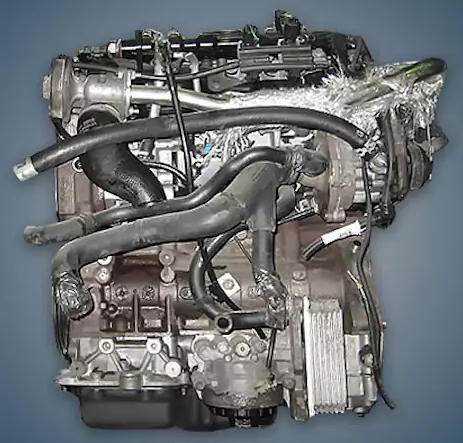
The QJBB and JXFA internal combustion engines are also part of the Duratorq-TDCi line.
The engine was installed on:
- Ford Mondeo Mk3 in 2002 – 2007.
Specifications
| Production years | 2002-2007 |
| Displacement, cc | 1998 |
| Fuel system | Common Rail |
| Power output, hp | 130 |
| Torque output, Nm | 330 |
| Cylinder block | cast iron R4 |
| Block head | aluminum 16v |
| Cylinder bore, mm | 86 |
| Piston stroke, mm | 86 |
| Compression ratio | 18.2 |
| Features | intercooler |
| Hydraulic lifters | yes |
| Timing drive | chain |
| Phase regulator | no |
| Turbocharging | yes |
| Recommended engine oil | 5W-30 |
| Engine oil capacity, liter | 6.1 |
| Fuel type | diesel |
| Euro standards | EURO 3 |
| Fuel consumption, L/100 km (for Ford Mondeo 2006) — city — highway — combined |
8.1 4.8 6.0 |
| Engine lifespan, km | ~250 000 |
Disadvantages of the FMBA engine
The engine’s primary issues are related to the Delphi Common Rail system’s unpredictability;
Any contaminants in the fuel cause the injectors to clog and the pump shaft to wear;
The connecting rod’s upper head is the cylinder-piston group’s weak point;
It may be necessary to replace the timing chain mechanism after 150–200 thousand kilometers; unreliable auxiliary equipment, particularly the generator.