
The company’s largest models, the Grand Vitara XL-7 and the American Grand Vitara 2, were equipped with the 2.7-liter V6 Suzuki H27A engine, which was manufactured at its factories between 2000 and 2008. This unit was modified to produce 185 horsepower with a VVT system and 173 horsepower without one.
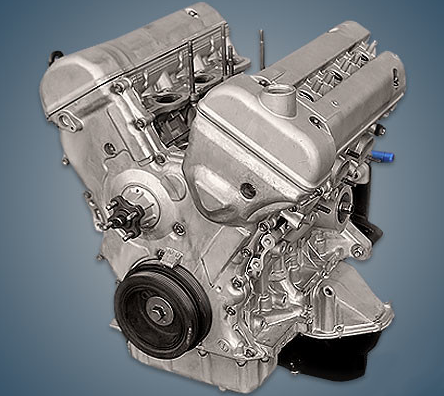
H-series engines: H20A, H25A, and H27A.
The most potent member of the H-engine family, a 2.7-liter engine designed especially for the seven-seater Suzuki Grand Vitara with the XL-7 index, debuted in 2000. Distributed fuel injection, an aluminum block with cast-iron liners and a 60° camber angle typical of a V6, two aluminum DOHC cylinder heads with hydraulic compensators, and a sophisticated timing drive of their three chains are all features shared by other engines in the line.
The engine’s power increased from 173 to 185 horsepower when it was upgraded for the American Grand Vitara 2 in 2005. This was made possible by the phase control system on the intake shafts.
Specifications
| Production years | 2000-2008 |
| Displacement, cc | 2736 |
| Fuel system | distributed injection |
| Power output, hp | 173 – 185 |
| Torque output, Nm | 231 – 250 |
| Cylinder block | aluminum V6 |
| Block head | aluminum 24v |
| Cylinder bore, mm | 88 |
| Piston stroke, mm | 75 |
| Compression ratio | 9.5 |
| Hydraulic lifters | yes |
| Timing drive | chains |
| Turbocharging | no |
| Recommended engine oil | 5W-30, 5W-40 |
| Engine oil capacity, liter | 5.5 |
| Fuel type | petrol |
| Euro standards | EURO 3/4 |
| Fuel consumption, L/100 km (for Suzuki Grand Vitara XL-7 2002) — city — highway — combined |
13.8 9.1 10.8 |
| Engine lifespan, km | ~400 000 |
The engine was installed on:
- Suzuki Grand Vitara XL-7 1 (TX) in 2000 – 2006;
- Suzuki Grand Vitara 2 (JT) in 2005 – 2008.
Disadvantages of the Suzuki H27A engine
This engine’s intricate and unreliable timing drive uses three chains and three hydraulic tensioners simultaneously, which puts a strain on the engine’s quality and oil change schedule. Additionally, attempts to reduce maintenance will result in a chain jump and a tensioner wedge.
Lubricant consumption frequently starts to show up and progressively rises closer to 150,000 kilometers of run. The clogged oil labyrinth of the valve covers, which here function as part of the crankcase ventilation, is the primary cause of the oil burner rather than wear on the rings or caps.
The owners are so troubled by frequent oil leaks that they ought to be discussed separately. In addition to the oil channel gaskets at the intersection of the block with the crankshaft bed and the sump, lubrication typically ascends through the crankshaft seals or from beneath the engine’s front cover.
The motor’s shortcomings include an unreliable mass air flow sensor, an EGR valve, rapid self-clogging, and a supply tube that frequently bursts.