
Overview & Design Features
The Lexus 2JZ-GE is a highly regarded naturally aspirated 3.0-liter (2997 cc) inline-six cylinder engine, developed by Toyota Motor Corporation and prominently featured in various Lexus and Toyota models. As part of the venerable JZ engine family, it shares its fundamental architecture with the more famous twin-turbocharged 2JZ-GTE, but without forced induction. Renowned for its exceptional durability, smooth power delivery, and robust design, the 2JZ-GE established a reputation for reliability and engineering excellence that has endured for decades.
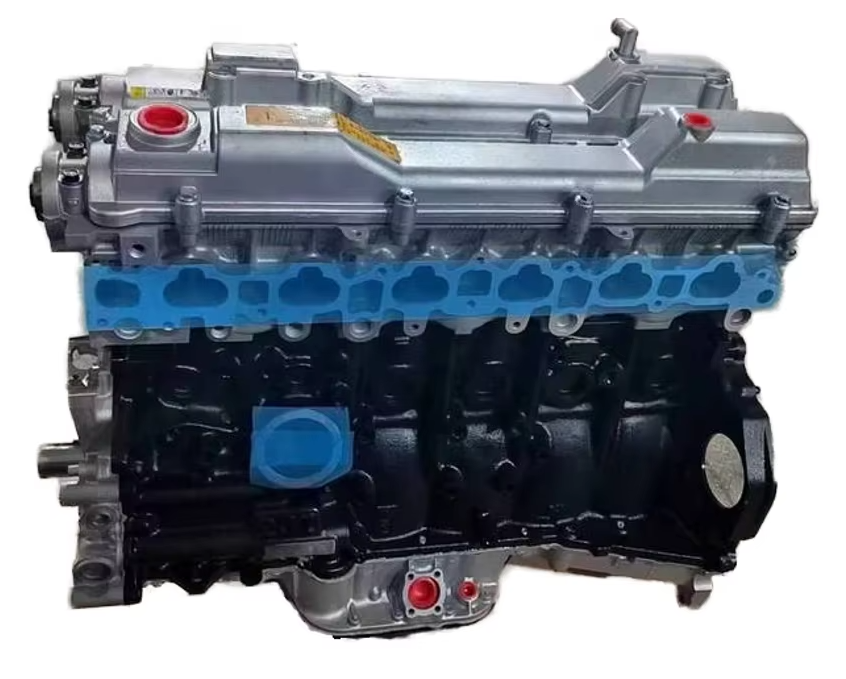
Engineering features central to the 2JZ-GE’s longevity and performance include a sturdy cast iron cylinder block, which provides superior strength and rigidity, especially under sustained operation. The cylinder head is constructed from aluminum alloy, promoting efficient heat dissipation and weight reduction. It utilizes a Double Overhead Camshaft (DOHC) valvetrain with four valves per cylinder, ensuring optimal airflow for combustion. Fuel delivery is managed by a multi-port electronic fuel injection system. Later iterations of the 2JZ-GE, specifically those produced from 1997 onwards, incorporated Toyota’s Variable Valve Timing with intelligence (VVT-i) system, enhancing torque delivery across the RPM range and improving fuel efficiency without sacrificing power.
The 2JZ-GE engine was widely deployed across a range of premium vehicles. Its primary applications include the Lexus IS 300 (2001-2005), Lexus GS 300 (1993-2005), and Lexus SC 300 (1992-2000). Beyond the Lexus brand, it powered several Toyota models such as the Toyota Supra MKIV (non-turbo, 1993-2002), Toyota Aristo (JDM equivalent of the GS 300), Toyota Crown, Toyota Chaser, and Toyota Soarer. This broad adoption underscores its versatility and performance capabilities within both luxury and sport-oriented platforms.
Technical Specifications
| Displacement | 2997 cc (3.0 L) |
| Max Power | 212-227 hp (158-169 kW) @ 5800-6000 RPM (varies by year/VVT-i) |
| Max Torque | 270-298 Nm (27.5-30.4 kg*m) @ 3800-4800 RPM (varies by year/VVT-i) |
| Fuel Type | Gasoline (Premium Unleaded Recommended) |
| Fuel Consumption | Refer to manufacturer’s technical documentation |
| Engine Type | Inline 6-cylinder, DOHC, Naturally Aspirated |
| Compression Ratio | 10.0:1 (non-VVT-i), 10.5:1 (VVT-i) |
| Cylinder Bore | 86.0 mm |
| Piston Stroke | 86.0 mm |
| Valvetrain | DOHC, 24-valve, VVT-i (on later versions) |
| Valves per Cylinder | 4 |
| Additional Info | Cast iron block, aluminum cylinder head, Multi-Port Fuel Injection, Timing Belt driven camshafts |
Common Problems & Reliability
The 2JZ-GE engine is widely regarded as one of the most reliable engines ever produced, often praised for its ability to accumulate high mileage with minimal issues. However, like any mechanical component, it is susceptible to certain age- and mileage-related wear points. A critical potential failure point stems from neglecting timing belt replacement. As the 2JZ-GE utilizes a timing belt (not a chain) to synchronize camshafts with the crankshaft, its failure results in catastrophic engine damage due to valve-to-piston contact. Another common issue involves oil leaks, typically from the valve cover gaskets, front and rear main seals, and camshaft seals. These leaks are usually minor but should be addressed to prevent oil loss and potential damage to other components. Ignition coil failures can also occur, particularly on higher mileage examples, leading to misfires and reduced engine performance. Oxygen sensors are also known wear items that can affect fuel economy and emissions over time.
With diligent adherence to the manufacturer’s maintenance schedule and proper care, the 2JZ-GE engine consistently demonstrates an expected service life exceeding 250,000 to 300,000 miles (approximately 400,000 to 480,000 km) before requiring any major overhaul.
Maintenance Tips & Service Schedule
Maintaining the 2JZ-GE involves a clear schedule to ensure its prolonged reliability. Adherence to these guidelines is paramount:
- Engine Oil & Filter: Replace every 5,000-7,500 miles (8,000-12,000 km) or every 6 months, whichever comes first. Use a high-quality synthetic or semi-synthetic engine oil with a viscosity of 5W-30 or 10W-30, depending on climate and manufacturer recommendations.
- Spark Plugs: Inspect and replace platinum or iridium-tipped spark plugs every 60,000-100,000 miles (96,000-160,000 km).
- Timing Belt: This is the most critical service item. Replace the timing belt, along with the tensioner, idler pulleys, and water pump, every 60,000-90,000 miles (96,000-144,000 km) or every 7 years, whichever comes first. Failure to do so risks severe engine damage.
- Coolant: Flush and replace engine coolant every 30,000-50,000 miles (48,000-80,000 km) or every 3-5 years. Use a Toyota-specific Super Long Life Coolant (SLLC) or an equivalent long-life ethylene glycol-based coolant.
- Air Filter: Inspect at every oil change and replace every 15,000-30,000 miles (24,000-48,000 km) or as needed based on driving conditions.
- Valve Clearance: Inspect valve clearances every 60,000 miles (96,000 km). While not hydraulic, adjustments with shims are rarely needed but must be checked.
- Fuel Filter: Replace every 30,000 miles (48,000 km).
Conclusion
The Lexus 2JZ-GE engine stands as a testament to Toyota’s engineering prowess, embodying reliability, durability, and smooth performance. Its robust construction and straightforward design contribute to its legendary status and ease of maintenance. For a used vehicle buyer, an engine-equipped with the 2JZ-GE represents an exceptionally safe and reliable choice, provided there is a documented history of proper maintenance. With regular servicing, particularly the timely replacement of the timing belt, the 2JZ-GE is capable of delivering hundreds of thousands of miles of trouble-free operation, making it a highly desirable and cost-effective powerplant for long-term ownership.