
Overview & Design Features
The GMC L31 engine, part of General Motors’ venerable small-block V8 family, represents the final and most refined iteration of the first-generation small-block architecture. Introduced in 1996, this 5.7-liter (5733 cc) naturally aspirated V8 engine gained significant recognition under the “Vortec 5700” designation. Its historical significance lies in bridging the gap between traditional pushrod design and more modern technologies, becoming a staple powerplant for GM’s full-size truck and SUV lines before the Gen III LS engines superseded it. The L31 is revered for its robust construction, broad torque delivery, and its pivotal role in establishing the reliability reputation of GM’s full-size trucks and SUVs during a significant transition period for the company’s engine lineup.
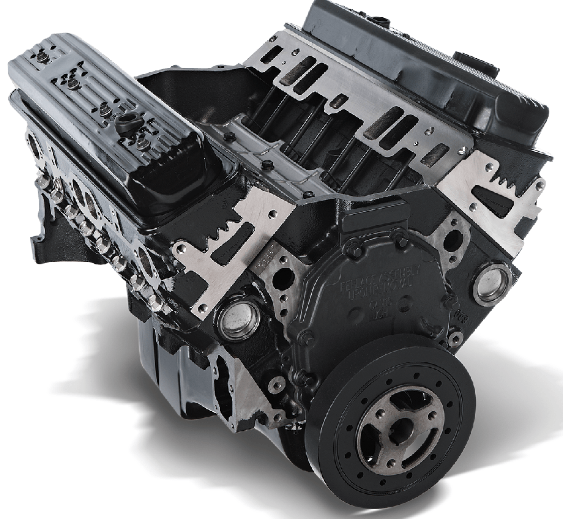
The L31 engine features a durable cast iron block, a hallmark of the small-block lineage, ensuring excellent structural rigidity and longevity. Unique to the L31 are its cast iron “Vortec” cylinder heads, which incorporate improved intake port design for enhanced airflow and combustion efficiency compared to earlier small-block heads. Fuel delivery is managed by a Sequential Port Fuel Injection (SFI) system, which, unlike earlier throttle body injection (TBI) systems, provides precise fuel metering directly into each intake port. This advancement significantly improved fuel economy, emissions control, and overall engine performance. The valvetrain utilizes a traditional overhead valve (OHV) pushrod design, driven by a single camshaft located within the engine block, operating two valves per cylinder. This mechanically simple yet highly effective architecture contributes significantly to its renowned reliability, compact packaging, and ease of maintenance.
The GMC L31 engine was extensively deployed across General Motors’ light-duty truck and SUV platforms during its production run from 1996 to 2000, with some applications extending into 2001 for specific models like the Savana/Express vans. Primary applications included the popular Chevrolet C/K series trucks (GMT400 platform), as well as the family-oriented Chevrolet Suburban and Tahoe, and their luxurious GMC counterparts, the Sierra and Yukon. Furthermore, it served as a robust and dependable engine choice for the Chevrolet Express and GMC Savana full-size vans, catering to a diverse range of commercial, fleet, and passenger transport requirements across North America.
Technical Specifications
| Displacement (cc) | 5733 cc (5.7L) |
| Max Power (hp (kW) @ RPM) | 255 hp (190 kW) @ 4600 RPM |
| Max Torque (Nm (kg*m) @ RPM) | 447 Nm (45.6 kg*m, 330 lb-ft) @ 2800 RPM |
| Fuel Type | Gasoline (Regular Unleaded, 87+ octane) |
| Fuel Consumption (l/100 km) | Vehicle dependent, average approximately 17 L/100 km combined |
| Engine Type | OHV V8 |
| Compression Ratio | 9.4:1 |
| Cylinder Bore (mm) | 101.6 mm |
| Piston Stroke (mm) | 88.4 mm |
| Valvetrain | Pushrod, Overhead Valve (OHV) |
| Valves per Cylinder | 2 |
| Additional Info | Cast iron block and heads, Sequential Port Fuel Injection (SFI), Vortec cylinder heads |
Common Problems & Reliability
- The L31 engine, while robust, is not without its typical wear points. Intake manifold gasket leaks are a prevalent issue, particularly with the original plastic upper and lower gaskets. These can manifest as external coolant or oil leaks, or internal coolant migration leading to potential engine damage if neglected.
- Another common ailment involves the distributor cap and rotor, which are prone to cracking and carbon tracking over time, especially in humid conditions, resulting in misfires, rough idling, and reduced performance.
- Failures of the crankshaft position sensor can also occur, causing intermittent stalling, difficulty starting, or erratic engine operation without always illuminating the check engine light immediately.
With diligent maintenance and timely address of common issues, the GMC L31 engine is widely known to achieve 200,000 miles (approximately 320,000 km) or more before requiring a major overhaul. Its robust internal components contribute significantly to this impressive longevity.
Maintenance Tips & Service Schedule
- For optimal longevity, adhere to a strict maintenance regimen. Engine oil and filter changes are recommended every 3,000-5,000 miles (5,000-8,000 km) using a high-quality 5W-30 conventional or synthetic blend motor oil. Regular checks for oil level are critical due to potential consumption or minor leaks common with older engines.
- Spark plugs should be replaced every 60,000-100,000 miles (96,000-160,000 km); using platinum or iridium tipped plugs is advised for extended life and consistent ignition.
- A complete cooling system flush and refill is vital every 5 years or 100,000 miles (160,000 km) to prevent internal corrosion and maintain heat transfer efficiency; concurrently, inspect all hoses, the thermostat, and radiator for wear.
- The L31 uses a durable timing chain, generally designed to last the engine’s lifespan, negating the need for routine replacement unless specific symptoms of wear, such as excessive noise, are present.
- Replacing the fuel filter every 30,000 miles (48,000 km) helps safeguard the SFI system. Proactive inspection for coolant or oil leaks around the intake manifold, especially as the engine accumulates mileage, is highly recommended to preempt more significant issues and preserve engine integrity.
Conclusion
The GMC L31 engine stands as a testament to the enduring reliability and rugged durability inherent in General Motors’ small-block architecture. Its straightforward, robust construction, coupled with well-proven engineering, solidifies its reputation as a highly dependable and long-lived powerplant. For a used vehicle buyer, an L31-equipped vehicle can represent a very safe and reliable choice, provided the engine has received consistent and proper maintenance throughout its service life. Prospective buyers should prioritize vehicles with documented service history and be prepared to address common, age-related issues such as intake manifold gasket leaks and distributor component wear, which are generally well-understood and repairable without excessive cost. Its impressive track record in a multitude of heavy-duty truck and SUV applications firmly underscores its capability, widespread support, and inherent longevity.