
Overview & Design Features
The GMC LE8 engine, widely recognized as the Vortec 5700 L31, is a naturally aspirated 5.7-liter (350 cubic inch) V8 gasoline engine. Manufactured by General Motors, it represents the final evolution of the small-block Gen I Chevrolet V8 architecture before the widespread adoption of the Gen III LS series. Introduced in 1996, the LE8 quickly became a workhorse, powering a vast array of GMC and Chevrolet trucks, SUVs, and vans, cementing its historical significance as a robust and dependable engine during its production run, typically concluding around 2002 for most applications.
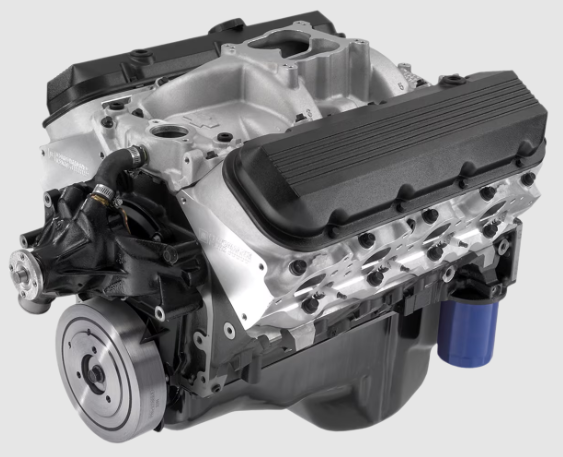
Engineered for durability and torque, the LE8 features a traditional overhead valve (OHV) design with a stout cast-iron block and cylinder heads, ensuring structural integrity under demanding conditions. Fuel delivery is managed by a Central Port Injection (CPI) system, also known as “spider injection,” which utilizes a central fuel metering unit distributing fuel to individual poppet valves near the intake ports. This system represented an upgrade over earlier throttle body injection (TBI) systems, offering improved fuel atomization and efficiency for its era. The valvetrain consists of a single camshaft located within the engine block, operating two valves per cylinder via pushrods and rocker arms, a design renowned for its simplicity and reliability.
The LE8 engine was a prevalent powertrain option across numerous GMT400 platform vehicles. Its primary deployment included the 1996-2000 Chevrolet C/K series and GMC Sierra/Yukon light-duty trucks, the 1996-1999 Chevrolet Tahoe and GMC Yukon SUVs, and the 1996-2002 Chevrolet Suburban and GMC Yukon XL (formerly Suburban). It was also utilized in the 1996-2002 Chevrolet Express and GMC Savana full-size vans, serving a critical role in both consumer and commercial fleets requiring strong towing and hauling capabilities.
Technical Specifications
| Specification | Value |
|---|---|
| Displacement | 5733 cc (5.7 L) |
| Max Power | 255 hp (190 kW) @ 4600 RPM |
| Max Torque | 447 Nm (45.6 kg*m) @ 2800 RPM |
| Fuel Type | Regular Unleaded Gasoline (87 RON) |
| Fuel Consumption | Varies significantly by vehicle and driving conditions. Typically 15-20 l/100 km combined for truck applications. |
| Engine Type | V8, Naturally Aspirated |
| Compression Ratio | 9.4:1 |
| Cylinder Bore | 101.6 mm |
| Piston Stroke | 88.4 mm |
| Valvetrain | OHV (Overhead Valve) Pushrod |
| Valves per Cylinder | 2 |
| Additional Info | Cast Iron Block & Heads, Central Port Injection (CPI) |
Common Problems & Reliability
The GMC LE8 engine is generally regarded as a highly durable and reliable powerplant, but certain issues are commonly observed over its long service life. A prevalent concern is intake manifold gasket leaks, particularly with the original plastic gaskets, which can degrade over time, leading to external coolant or oil leaks. If left unaddressed, this can cause engine overheating or internal coolant contamination. Another frequent problem involves the Central Port Injection (CPI) “spider” unit. The poppet valves within this system can become clogged or fail, resulting in misfires, rough idle, and reduced fuel efficiency. Distributor wear, especially the distributor gear, is also a known issue that can lead to inconsistent spark timing and misfires, particularly in higher mileage examples. These issues, while common, are generally repairable without requiring full engine replacement.
With diligent maintenance and timely address of these known issues, the LE8 engine exhibits exceptional longevity. It is not uncommon for well-maintained LE8 units to achieve service lives exceeding 400,000 km (250,000 miles) before requiring a major overhaul. Many examples are still in active service today with proper care, demonstrating its inherent robustness.
Maintenance Tips & Service Schedule
To maximize the service life and performance of the GMC LE8 engine, adherence to a consistent maintenance schedule is crucial. Engine oil should be changed every 5,000 km (3,000 miles) or every 3 months, whichever comes first, utilizing a high-quality 5W-30 conventional or synthetic blend motor oil. This is vital for protecting the OHV valvetrain and plain bearings.
Spark plugs, preferably AC Delco platinum or iridium types, should be replaced every 100,000 km (60,000 miles) to maintain optimal combustion efficiency. The fuel filter requires replacement every 50,000 km (30,000 miles) to prevent fuel system restrictions and protect the CPI injectors. The air filter should be inspected regularly and replaced annually or every 20,000 km (12,500 miles) to ensure proper air intake. Coolant flushes, using a Dex-Cool compatible long-life coolant, are recommended every 5 years or 150,000 km (100,000 miles). The LE8 employs an internal timing chain system which is generally designed for the life of the engine and does not require periodic replacement, though inspection for wear is advisable during major engine service at very high mileages.
Conclusion
The GMC LE8 engine stands as a testament to tried-and-true American V8 engineering. Its robust cast-iron construction and straightforward OHV design contribute to its legendary durability and ease of service. While specific components like the intake manifold gaskets and CPI “spider” injection unit are known wear items that require attention, their repair is generally straightforward and relatively inexpensive. For a used vehicle buyer, an LE8-equipped vehicle represents a safe and reliable choice, particularly if documented maintenance history is available. With proper, consistent maintenance, this engine is capable of delivering many hundreds of thousands of kilometers of dependable service, making it an excellent long-term investment for those prioritizing longevity and low-tech reliability.