
Overview & Design Features
The Cadillac 3.0L Twin-Turbo V6 engine, internally designated LGW, represents a sophisticated powertrain within General Motors’ Ecotec family of engines, despite the L86 code typically referring to a 6.2L V8. This particular 3.0-liter V6, often categorized under the broader “Ecotec 3” generation due to its advanced technologies and efficiency focus, was developed specifically for Cadillac’s premium offerings. Its compact V-configuration and potent twin-turbocharging system deliver a compelling blend of performance and efficiency, positioning it as a key component in Cadillac’s strategy for dynamic, luxury vehicles.
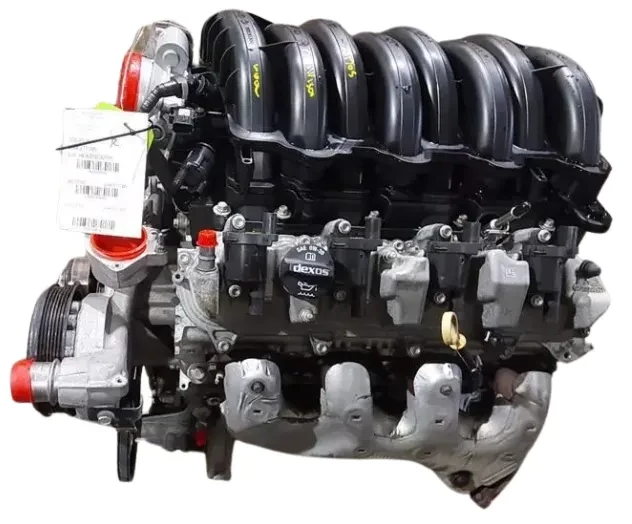
The LGW engine features an all-aluminum construction for both its cylinder block and cylinder heads, contributing to reduced weight and improved thermal management. It incorporates advanced direct fuel injection (DI) for precise fuel delivery, optimizing combustion efficiency and power output. Variable Valve Timing (VVT) on both intake and exhaust camshafts further enhances performance across the RPM range, while actively managing emissions. A sophisticated twin-turbocharging system, featuring two small, low-inertia turbochargers, minimizes turbo lag and provides rapid boost response, ensuring robust torque delivery from low engine speeds.
This high-output 3.0L Twin-Turbo V6 engine (LGW) has been primarily deployed in several Cadillac models, showcasing its capability in luxury and performance applications. Notable vehicle models include the Cadillac CT6, where it served as a powerful engine option, and the Cadillac CT5-V, providing a strong performance foundation. Additionally, it was featured in the Cadillac XT5 for specific markets, demonstrating its versatility across different vehicle segments during its production years from approximately 2016 onwards.
Technical Specifications
| Specification | Value |
|---|---|
| Displacement (cc) | 2997 |
| Max Power (hp (kW) @ RPM) | 404 (301) @ 5700 |
| Max Torque (Nm (kg*m) @ RPM) | 542 (55.3) @ 2500-5100 |
| Fuel Type | Premium Unleaded (91+ RON recommended) |
| Fuel Consumption (l/100 km) | Varies by vehicle application and driving conditions; typically 9-12 L/100 km combined. |
| Engine Type | Twin-Turbocharged V6, Direct Injection |
| Compression Ratio | 9.8:1 |
| Cylinder Bore (mm) | 86 |
| Piston Stroke (mm) | 85.8 |
| Valvetrain | Dual Overhead Camshaft (DOHC), Variable Valve Timing (VVT) |
| Valves per Cylinder | 4 |
| Additional Info | Twin intercooled turbochargers, electronic throttle control, active grille shutters (vehicle dependent). |
Common Problems & Reliability
The Cadillac 3.0L Twin-Turbo V6 (LGW) is generally considered a robust engine, though like many advanced direct-injected, turbocharged powerplants, it exhibits certain characteristic challenges. A common issue is carbon buildup on intake valves, a typical side effect of direct injection where fuel does not wash over the valve stems. This can lead to reduced airflow, misfires, and decreased performance over time, often manifesting after 60,000-80,000 miles. Regular preventative maintenance, such as fuel system cleaners and periodic intake valve cleaning, can mitigate this.
Another area of concern can be the turbocharger system components. While generally reliable, the turbos themselves, their oil feed lines, or wastegate actuators can experience issues over higher mileage, especially if proper oil change intervals and cool-down procedures are not followed. Oil leaks from turbo seals or related plumbing are not uncommon. Lastly, some owners report oil consumption, though often within manufacturer specifications. Monitoring oil levels closely and using recommended synthetic oil is crucial.
Under proper and diligent maintenance, the 3.0L Twin-Turbo V6 (LGW) engine can typically achieve a service life exceeding 150,000 to 200,000 miles before requiring major overhaul or significant component replacement. Adherence to service schedules and addressing minor issues promptly are key factors in maximizing longevity.
Maintenance Tips & Service Schedule
- Engine Oil: Utilize a full synthetic motor oil with a viscosity grade of 5W-30 or 0W-40, meeting GM’s dexos1™ Gen 2 specification. Oil and filter changes should be performed every 7,500 miles or 12 months, or as indicated by the vehicle’s Oil Life Monitoring system, whichever comes first.
- Spark Plugs: Replace iridium-tipped spark plugs approximately every 60,000 miles (97,000 km) to maintain optimal ignition and fuel efficiency.
- Air Filters: Inspect the engine air filter at every oil change and replace it every 30,000 miles (48,000 km) or sooner in dusty conditions. Given the turbocharged nature, clean air supply is paramount.
- Coolant: The cooling system uses Dex-Cool extended-life coolant. A flush and refill are generally recommended every 5 years or 100,000 miles (160,000 km).
- Fuel System Cleaning: Due to direct injection, periodic fuel system cleaning using a high-quality additive designed for DI engines is recommended every 15,000-30,000 miles (24,000-48,000 km) to help prevent carbon buildup. Walnut blasting or media blasting of intake valves may be necessary at higher mileages.
- Transmission Fluid: Follow manufacturer recommendations for transmission fluid service, typically involving inspection at regular intervals and replacement every 45,000-90,000 miles depending on driving conditions and specific transmission.
- Turbocharger Inspection: During routine service, visually inspect turbocharger housing, oil lines, and intercooler connections for leaks or signs of wear.
Conclusion
The Cadillac 3.0L Twin-Turbo V6 (LGW) engine offers an enticing blend of powerful performance and modern efficiency, making it a desirable choice for luxury vehicle enthusiasts. For a used vehicle buyer, this engine represents a generally reliable option, provided its advanced engineering is respected through consistent and meticulous maintenance. While potential issues like carbon buildup and turbocharger-related wear require attention, they are largely manageable with proper preventative measures and adherence to the manufacturer’s service schedule. Overall, a pre-purchase inspection by a qualified technician is highly recommended, focusing on the specific known vulnerabilities. With a well-documented service history, vehicles equipped with this engine can offer many years of satisfying, high-performance driving.