
The local market was the target market for the 1.3-liter Nissan GA13 engine line. 1989 saw the introduction of the first carburetor models, which were assembled with electronic injection until 1999.
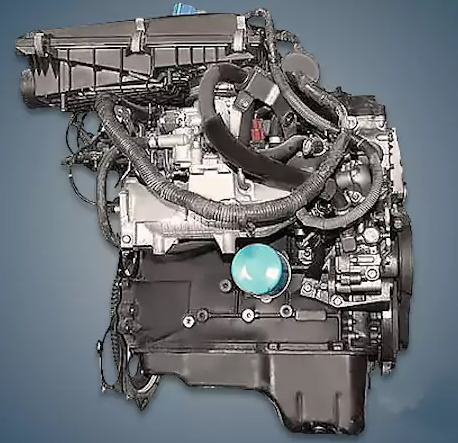
The GA13 family of engines features a traditional design for the era: an aluminum head without hydraulic compensators is paired with a cast-iron block. One chain is present in the 12-valve version, while two are present simultaneously in the 16-valve version: the large chain connects the intermediate shaft to the crankshaft, while the small chain connects it to both camshafts.
Three engine iterations with two distinct power systems were manufactured in total:
GA13S: This modification has a single camshaft for twelve valves and an electronically controlled carburetor. They have rocker arms in the second row and camshaft cams in the first. 75 horsepower and 100 Nm of torque.
GA13DS: This model has two camshafts because it combines a carburetor with a 16-valve block head. It now has 104 Nm and 79 horsepower.
The GA13DE is an upgraded model that has electronic fuel injection and a DOHC 16v head. This results in 109 Nm and 85 horsepower.
The engine was installed on:
- Nissan Pulsar N14 in 1990 – 1995;
- Nissan Sentra 3 (B13) in 1990 – 1995;
- Nissan AD 2 (Y10) in 1990 – 1995.
Specifications
| Production years | 1989-1999 |
| Displacement, cc | 1295 |
| Fuel system | carburetor / injector |
| Power output, hp | 75 – 85 |
| Torque output, Nm | 100 – 109 |
| Cylinder block | aluminum R4 |
| Block head | aluminum 12v / 16v |
| Cylinder bore, mm | 71 |
| Piston stroke, mm | 81.8 |
| Compression ratio | 9.5 |
| Features | no |
| Hydraulic lifters | no |
| Timing drive | chain |
| Phase regulator | no |
| Turbocharging | no |
| Recommended engine oil | 5W-30, 5W-40, 10W-30, 10W-40 |
| Weight, kg | 143 (GA13DE) |
| Fuel type | petrol |
| Euro standards | EURO 1/2 |
| Fuel consumption, L/100 km (for Nissan Pulsar 1991) — city — highway — combined |
7.1 5.3 5.8 |
| Engine lifespan, km | ~300 000 |
Disadvantages of the GA13DE engine
Owners of vehicles with carburetor power systems frequently complain about floating engine speeds, which are caused by clogged strainers and jets from low-quality fuel.
When the idle valve or the mass air flow sensor malfunctions, the speed on injection versions typically floats. Sometimes cleaning is helpful, and other times it’s just replacement.
The oil burner is the primary issue with the GA series engines. Oil scraper rings cause it to appear on long runs. You can get by with decarbonization if you don’t miss the opportunity; if not, you’ll need a replacement. Engine oil consumption can occasionally be attributed to a leaky gasket, which is supposed to prevent fuel and lubricants from entering the intake tract alongside crankcase gases.