
From 1994 to 1998, all-wheel drive versions of the well-known A8 sedan were equipped with the 4.2-liter Audi V8 ABZ or A8 D2 4.2 quattro engine. This motor was combined with a 4-speed automatic transmission and a 5-speed AKG engine that was comparable to it.
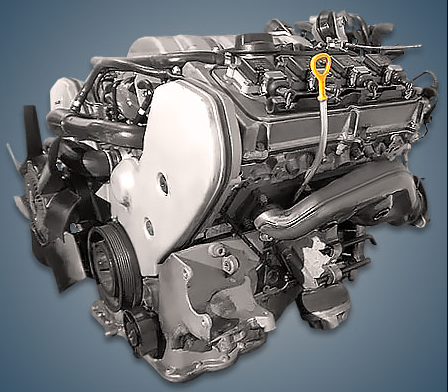
The EA824 series includes: AEW, ABZ, BFL, BFM, AXQ, BVJ, CDRA, BAR, CRDB, CEUA.
Specifications
| Production years | 1994-1998 |
| Displacement, cc | 4172 |
| Fuel system | distributed injection |
| Power output, hp | 300 |
| Torque output, Nm | 400 |
| Cylinder block | aluminum V8 |
| Block head | aluminum 32v |
| Cylinder bore, mm | 84.5 |
| Piston stroke, mm | 93 |
| Compression ratio | 10.8 |
| Features | no |
| Hydraulic lifters | yes |
| Timing drive | belt & 2 chains |
| Phase regulator | no |
| Turbocharging | no |
| Recommended engine oil | 5W-30 |
| Engine oil capacity, liter | 7.2 |
| Fuel type | petrol |
| Euro standards | EURO 3 |
| Fuel consumption, L/100 km (for Audi A8 quattro 1995) — city — highway — combined |
19.6 9.4 13.4 |
| Engine lifespan, km | ~320 000 |
The engine was installed on:
- Audi A8 D2 (4D) in 1994 – 1998.
Disadvantages of the Audi ABZ engine
This aluminum block motor is highly susceptible to overheating and poor fuel;
Cylinder scoring results from poor maintenance and overheating;
Hydraulic lifters may fail as a result of this oil savings;
Observe the timing belt replacement schedule, since the valves bend when it breaks;
Additionally, lubrication leaks are frequently discovered here, particularly at the motor-gearbox intersection.