
From 1992 to 1997, the German company produced the 2.0-liter Audi 2.0 ACE 16v engine, which was fitted to the company’s most popular models at the time, the 80, 100, and A6. This power unit’s 16-valve cylinder head set it apart from other engines in the family.
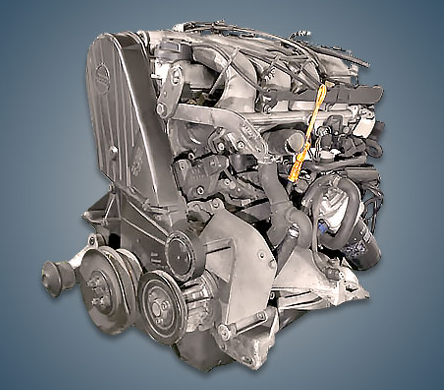
The EA827 2.0l series includes: 2E, AAD, AAE, ABT, ABK, ADY, AGG, ABF, ACE.
Specifications
| Production years | 1992-1997 |
| Displacement, cc | 1984 |
| Fuel system | KE-Motronic |
| Power output, hp | 140 |
| Torque output, Nm | 185 |
| Cylinder block | cast iron R4 |
| Block head | aluminum 16v |
| Cylinder bore, mm | 82.5 |
| Piston stroke, mm | 92.8 |
| Compression ratio | 10.8 |
| Features | DOHC |
| Hydraulic lifters | yes |
| Timing drive | chain & belt |
| Phase regulator | no |
| Turbocharging | no |
| Recommended engine oil | 5W-30 |
| Engine oil capacity, liter | 3.0 |
| Fuel type | petrol |
| Euro standards | EURO 2 |
| Fuel consumption, L/100 km (for Audi A6 1995) — city — highway — combined |
12.2 7.3 8.7 |
| Engine lifespan, km | ~360 000 |
The engine was installed on:
- Audi 80 B4 (8C) in 1992 – 1995;
- Audi 100 C4 (4A) in 1992 – 1994;
- Audi A6 C4 (4A) in 1994 – 1997.
Disadvantages of the Audi ACE engine
The KE-Motronic system is responsible for all of the most frequent engine issues; failures are typically caused by air leaks, nozzle contamination, and sensor malfunctions.
The fuel pump and several ignition system parts are also weak points.
When the timing belt breaks, the valves always bend; at very high mileage, an oil burner and the sound of hydraulic lifters are frequently heard. The timing belt is made for approximately 90,000 kilometers.