
The first two iterations of the Explorer SUV, which was well-liked in several markets, were equipped with the 4.0-liter V6 Ford 99X or 4.0 OHV engine, which was manufactured in Germany between 1990 and 2000. The Ranger pickup truck and Aerostar minibus both had a similar engine installed under a different name.
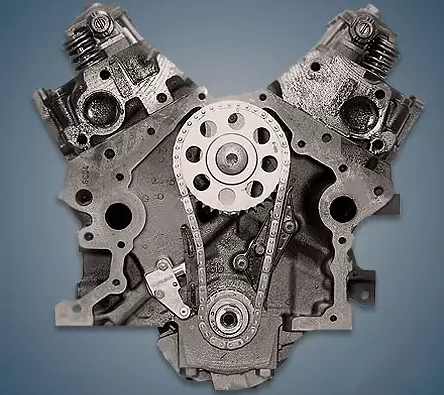
Cologne V6 family: BRF, 99E, 99X.
Specifications
| Production years | 1990 – 2000 |
| Displacement, cc | 3958 |
| Fuel system | distributed injection |
| Power output, hp | 155 – 165 |
| Torque output, Nm | 298 – 314 |
| Cylinder block | cast iron V6 |
| Block head | aluminum 12v |
| Cylinder bore, mm | 100 |
| Piston stroke, mm | 84 |
| Compression ratio | 9.0 |
| Features | OHV |
| Hydraulic lifters | yes |
| Timing drive | chain |
| Phase regulator | no |
| Turbocharging | no |
| Recommended engine oil | 5W-30 |
| Engine oil capacity, liter | 4.7 |
| Fuel type | petrol |
| Euro standards | EURO 1/2 |
| Fuel consumption, L/100 km (for Ford Explorer 1993) — city — highway — combined |
17.7 11.6 13.8 |
| Engine lifespan, km | ~400 000 |
| Weight, kg | 203 |
The engine was installed on:
- Ford Explorer 1 (UN46) in 1990 – 1994; Explorer 2 (U105) in 1994 – 2000.
Disadvantages of the Ford 99X engine
All of the issues with this reasonably dependable and inventive power unit are caused by aging.
The majority of complaints concern lubricant leaks on seals and gaskets.
Severe valve guide wear is frequently seen at high mileage.
After 200,000 kilometers, hydraulic compensators may start to knock because they cannot handle cheap oil.
After 300,000 kilometers, the short timing chain connecting the crankshaft and camshaft is stretched.