
From 1999 to 2011, the company produced the 3.0-liter Jaguar AJ30 gasoline engine, which was fitted to popular British models like the X-Type, S-Type, and XF. This Duratec V6 power unit was installed on the Lincoln LS in addition to the Jaguars.
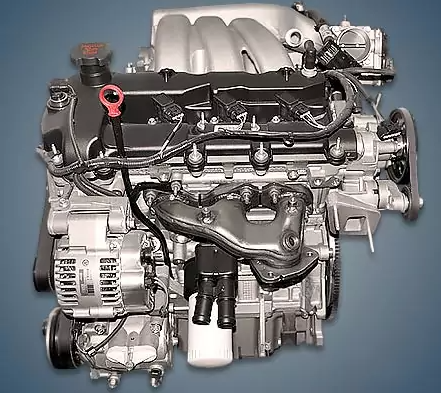
AJ-V6 series: AJ20, AJ25, AJ30.
Specifications
| Production years | 1999-2011 |
| Displacement, cc | 2967 |
| Fuel system | distributed injection |
| Power output, hp | 230 – 240 |
| Torque output, Nm | 280 – 300 |
| Cylinder block | aluminum V6 |
| Block head | aluminum 24v |
| Cylinder bore, mm | 89 |
| Piston stroke, mm | 79.5 |
| Compression ratio | 10.5 |
| Features | DAMB |
| Hydraulic lifters | no |
| Timing drive | chain |
| Phase regulator | on the intake shaft |
| Turbocharging | no |
| Recommended engine oil | 5W-30 |
| Engine oil capacity, liter | 6.5 |
| Fuel type | petrol |
| Euro standards | EURO 3 |
| Fuel consumption, L/100 km (for Jaguar S-Type 2005) — city — highway — combined |
15.3 8.0 10.7 |
| Engine lifespan, km | ~370 000 |
| Weight, kg | 175 |
The engine was installed on:
- Jaguar S-Type 1 (X200) in 1999 – 2007;
- Jaguar X-Type 1 (X400) in 2001 – 2009;
- Jaguar XF 1 (X250) in 2008 – 2011;
- Jaguar XJ 7 (X350) in 2003 – 2009;
- Lincoln LS in 1999 – 2006.
Disadvantages of the Jaguar AJ30 engine
Although this motor is very dependable, replacement parts are pricey.
The primary issues are related to intake suction caused by cracked gaskets.
Low reliability is another feature of the electric drive used to alter the intake geometry.
The oil will push through all the cracks in the crankcase ventilation valve if it is not cleaned on a regular basis.
Rings may cause lubricant consumption on runs longer than 200,000 kilometers.