
Since 2005, the French plant has been producing the 2.0-liter Peugeot EW10A or RFJ engine, which powers a number of well-known concern models, such as the 807 minivan and its derivatives. In essence, the power unit is an adaptation of the popular EW10J4 motor to meet EURO 4 environmental requirements.
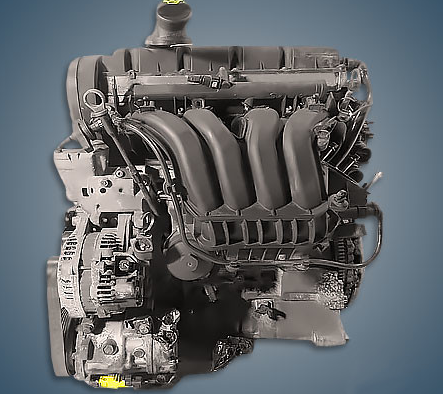
The EW family of engines includes the EW7J4, EW7A, EW10J4, EW10D, EW10A, and EW12J4.
The engine was mounted on:
- Citroen C4 I (B51) in 2005 – 2008;
- Citroen C4 Picasso I (B58) in 2006 – 2008;
- Citroen C5 I (X3/X4) in 2005 – 2008; C5 II (X7) in 2008 – 2010;
- Citroen C8 I (V3) in 2005 – 2010;
- Citroen Jumpy II (VF7) in 2007 – 2016;
- Peugeot 307 I (T5/T6) in 2005 – 2008;
- Peugeot 407 I (D2) in 2005 – 2011;
- Peugeot 807 I (V2) in 2005 – 2010;
- Peugeot Expert II (G9) in 2007 – 2016.
Specifications
| Production years | since 2005 |
| Displacement, cc | 1997 |
| Fuel system | injector |
| Power output, hp | 140 – 145 |
| Torque output, Nm | 180 – 200 |
| Cylinder block | aluminum R4 |
| Block head | aluminum 16v |
| Cylinder bore, mm | 85 |
| Piston stroke, mm | 88 |
| Compression ratio | 11.0 |
| Features | no |
| Hydraulic lifters | yes |
| Timing drive | belt |
| Phase regulator | at the intake |
| Turbocharging | no |
| Recommended engine oil | 5W-30 |
| Engine oil capacity, liter | 5.0 |
| Fuel type | petrol |
| Euro standards | EURO 4 |
| Fuel consumption, L/100 km (for Peugeot 307 2007) — city — highway — combined |
10.7 6.0 7.7 |
| Engine lifespan, km | ~330 000 |
| Weight, kg | 135 |
Disadvantages of the EW10A engine
The most frequent motor issues are related to lubricant leaks and oil burners.
Candles deteriorate, coils burn, and nozzles quickly clog due to poor fuel.
Idle speed control and a dirty throttle are the most common causes of floating engine speeds.
Hydraulic lifters that need regular oil changes are typically the ones knocking under the hood.
This power unit’s severe vibrations are caused by the critical wear of its pillows.