
Produced between 2006 and 2010, the 1.8-liter 16-valve Peugeot EW7A or 6FY engine was found in a number of the company’s well-known models, most notably the Peugeot 407. In essence, this power unit updates the EW7J4 engine to meet EURO 4 environmental regulations.
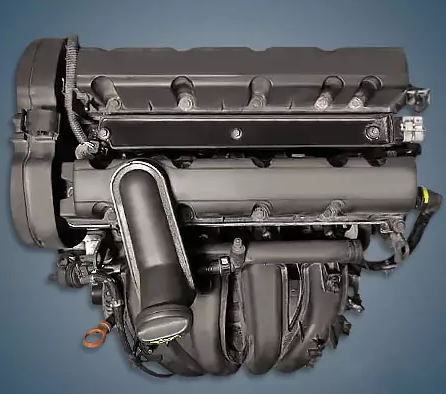
The EW family of engines includes the EW7J4, EW7A, EW10J4, EW10D, EW10A, and EW12J4.
The engine was mounted on:
- Peugeot 407 I (D2) in 2006 – 2010;
- Citroen C4 Picasso I (B58) in 2006 – 2008;
- Citroen C5 II (X7) in 2008 – 2010.
Specifications
| Production years | 2006-2010 |
| Displacement, cc | 1749 |
| Fuel system | injector |
| Power output, hp | 125 |
| Torque output, Nm | 170 |
| Cylinder block | aluminum R4 |
| Block head | aluminum 16v |
| Cylinder bore, mm | 82.7 |
| Piston stroke, mm | 81.4 |
| Compression ratio | 11.0 |
| Features | no |
| Hydraulic lifters | yes |
| Timing drive | belt |
| Phase regulator | at the intake |
| Turbocharging | no |
| Recommended engine oil | 5W-30 |
| Engine oil capacity, liter | 5.0 |
| Fuel type | petrol |
| Euro standards | EURO 4 |
| Fuel consumption, L/100 km (for Peugeot 407 2009) — city — highway — combined |
10.5 6.0 7.7 |
| Engine lifespan, km | ~300 000 |
| Weight, kg | 130 |
Disadvantages of the EW7A engine
Bad fuel or oil cannot be tolerated by a reliable engine;
Usually, the injectors come first, followed by the candles and ignition coils;
Floating engine speed is caused by a dirty throttle or idle control;
Inadequate lubrication causes hydraulic lifters to knock rather quickly. Additionally, the oil here likes to seep out from under the valve covers and the crankshaft oil seal.