
The third generation of the Ducato minibus is equipped with the 2.0-liter Fiat 250A1000 or 2.0 JTD diesel engine, which has been assembled in Italy since 2010 under its 115 Multijet index. Differentiating this engine from the 2.0 HDi diesel clones installed on the second generation Ducato is crucial.
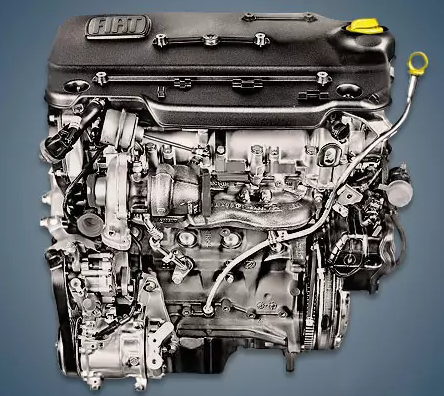
Multijet II family: 199B1000, 198A2000, 198A3000, 198A5000, 250A1000, 263A1000.
Specifications
| Production years | since 2010 |
| Displacement, cc | 1956 |
| Fuel system | Common Rail |
| Power output, hp | 115 |
| Torque output, Nm | 280 |
| Cylinder block | cast iron R4 |
| Block head | aluminum 16v |
| Cylinder bore, mm | 83 |
| Piston stroke, mm | 90.4 |
| Compression ratio | 16.5 |
| Features | DOHC, intercooler |
| Hydraulic lifters | yes |
| Timing drive | belt |
| Phase regulator | no |
| Turbocharging | Garrett GTD1449VZK |
| Recommended engine oil | 5W-30 |
| Engine oil capacity, liter | 5.7 |
| Fuel type | diesel |
| Euro standards | EURO 5/6 |
| Fuel consumption, L/100 km (for Fiat Ducato 2012) — city — highway — combined |
9.7 6.4 7.3 |
| Engine lifespan, km | ~300 000 |
| Weight, kg | 185 |
The engine was installed on:
- Fiat Ducato III (250) since 2010.
Disadvantages of the Fiat 250A1000 engine
Up until 2014, oil starvation frequently caused the liners in engines to turn;
The oil pump’s wear or the gasket that allows it to collect air is the cause;
Although the turbocharger is dependable, the charge air pipe frequently bursts;
Gaskets dry out and oil or antifreeze leaks occur closer to 100,000 kilometers; the diesel particulate filter and EGR are a major problem, as they are in many contemporary diesel engines.