
From 2016 until 2022, the Japanese company produced the 3.5-liter V6 Honda JNC1 engine, which was exclusively used in the American-modified Acura NSX and the sports model Honda NSX. The presence of three electric motors and a combined injection set this hybrid unit apart.
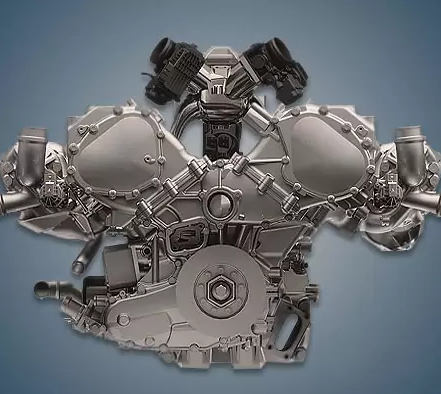
Specifications
| Production years | 2016-2022 |
| Displacement, cc | 3493 |
| Fuel system | combined injection |
| Power output, hp | 507 – 527 |
| Torque output, Nm | 550 – 601 |
| Cylinder block | aluminum V6 |
| Block head | aluminum 24v |
| Cylinder bore, mm | 91 |
| Piston stroke, mm | 89.5 |
| Compression ratio | 10 |
| Features | Hybrid |
| Hydraulic lifters | no |
| Timing drive | chain |
| Phase regulator | Dual-VTC |
| Turbocharging | Twin-Turbo |
| Recommended engine oil | 0W-40 |
| Engine oil capacity, liter | 7.9 |
| Fuel type | petrol |
| Euro standards | EURO 6 |
| Fuel consumption, L/100 km (for Honda NSX 2020) — city — highway — combined |
12.5 8.5 9.4 |
| Engine lifespan, km | ~250 000 |
The engine was installed on:
- Acura NSX 2 (NC) in 2016 – 2022;
- Honda NSX 2 (NC) in 2016 – 2022.
Disadvantages of the Honda JNC1 engine
Although this motor is incredibly dependable, it may have electrical issues in the beginning.
They frequently complained about unexpected battery discharge and inverter failure on specialized forums.
A leak in the jumper between the fuel tanks caused the first cars to be recalled.
Coolant leaks are a common occurrence for even 2022 car owners.
However, this unit’s primary issue is the exorbitant cost of replacement parts.