
Produced between 1995 and 2001, the 1.8-liter 8-valve Peugeot XU7JB or LFX engine was fitted to a number of the company’s well-known models, including the Peugeot 406, Partner, Citroen Xsara, and Xantia. In actuality, this power unit was merely a slightly distorted XU7JP motor.
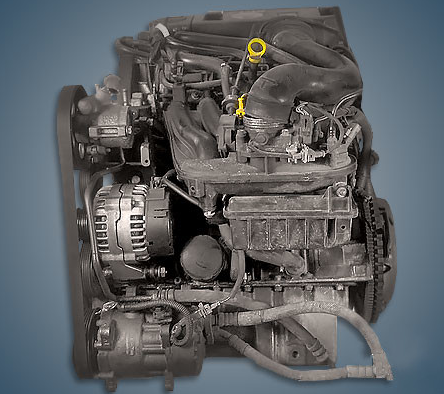
The XU family of engines includes the XU5JP, XU7JB, XU7JP, XU7JP4, XU10J2, and XU10J4R.
A version of the well-known XU7JP engine derated to 90 horsepower was introduced by the company in 1995. It had an injection injection, an aluminum block with so-called wet cast iron liners, an aluminum 8-valve cylinder head without hydraulic lifters, and a basic timing belt drive. Other than a slightly lower engine power and a slightly different degree of compression, there were no particular differences.
Specifications
| Production years | 1995-2001 |
| Displacement, cc | 1761 |
| Fuel system | distributed injection |
| Power output, hp | 90 |
| Torque output, Nm | 147 |
| Cylinder block | aluminum R4 |
| Block head | aluminum 8v |
| Cylinder bore, mm | 83 |
| Piston stroke, mm | 81.4 |
| Compression ratio | 9.5 |
| Hydraulic lifters | no |
| Timing drive | belt |
| Turbocharging | no |
| Recommended engine oil | 5W-40, 10W-40 |
| Engine oil capacity, liter | 5.0 |
| Fuel type | petrol |
| Euro standards | EURO 2/3 |
| Fuel consumption, L/100 km (for Citroen Xantia 1999) — city — highway — combined |
11.8 6.4 8.4 |
| Engine lifespan, km | ~400 000 |
| Weight, kg | 115 |
The engine was installed on:
- Citroen Berlingo I (M49/M59) in 1997 – 2001;
- Citroen Xantia I (X1/X2) in 1995 – 2001;
- Citroen Xsara I (N6/N7) in 1997 – 2000;
- Peugeot 406 I (D8/D9) in 1997 – 2000;
- Peugeot Partner I (M49/M59) in 1997 – 2001.
Disadvantages of the Peugeot XU7JB engine
This robust and clever motor is well-known for its frequent electrical malfunctions. A gasoline pump, a stepper motor in the idle speed controller, throttle position, and coolant temperature sensors are the ones that malfunction more frequently than others.
The engine has a basic cable-actuated throttle, but there are enough issues with it. The damper frequently freezes over in the winter and gets dirty rather quickly. Additionally, the crankcase ventilation pipes may freeze in cold weather, causing the oil to be forced out through the dipstick.
Additionally, because the valves bend when they break, owners frequently have to deal with air and lubricant leaks, adjust valve clearances, and keep an eye on the belt. You can also use a water hammer because the air intake is too low.