
Only two models—the Volkswagen Passat B5 and the comparable Audi A4 B5—were equipped with the 1.6-liter, 8-valve VW AHL engine, which was manufactured in Germany between 1996 and 2000. The first longitudinal engine in the EA113 family was the unit with the AHL index.
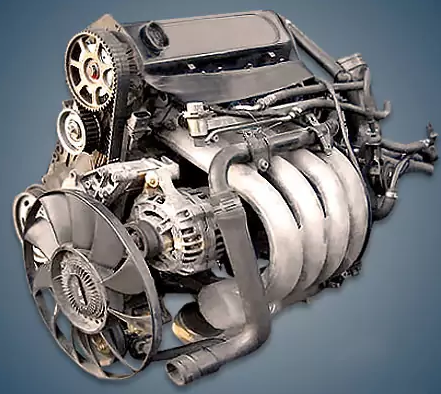
AEH, AHL, AKL, ALZ, ANA, APF, ARM, AVU, BFQ, BGU, BSE, and BSF are all part of the EA113-1.6 series.
A 1.6-liter EA113 series engine with a cast-iron cylinder block replaced the comparable EA827 engine on the Audi A4 and Passat B5 models in 1996. This unit is designed with a timing belt drive, an aluminum 8-valve cylinder head with hydraulic lifters, and an in-line aluminum cylinder block with cast-iron liners. Ultimately, the distributor was swapped out for a two-pin ignition coil after the intermediate shaft was removed.
This engine was upgraded in 1998 with a plastic intake manifold with a geometry change system in place of an aluminum one, increasing torque by 5 Nm.
Specifications
| Production years | 1996-2000 |
| Displacement, cc | 1595 |
| Fuel system | injector |
| Power output, hp | 100 |
| Torque output, Nm | 145 |
| Cylinder block | aluminum R4 |
| Block head | aluminum 8v |
| Cylinder bore, mm | 81 |
| Piston stroke, mm | 77.4 |
| Compression ratio | 10.2 |
| Features | SOHC |
| Hydraulic lifters | yes |
| Timing drive | belt |
| Phase regulator | no |
| Turbocharging | no |
| Recommended engine oil | 5W-30 |
| Engine oil capacity, liter | 4.0 |
| Fuel type | petrol |
| Euro standards | EURO 2/3 |
| Fuel consumption, L/100 km (for VW Passat B5 1998) — city — highway — combined |
11.2 6.0 7.9 |
| Engine lifespan, km | ~400 000 |
The engine was installed on:
- Audi A4 B5 (8D) in 1996 – 2000;
- Volkswagen Passat B5 (3B) in 1996 – 2000.
Disadvantages of the VW AHL engine
Oil consumption, which typically manifests after 150–200 thousand kilometers and only rises with mileage, is the most well-known issue with power units in this family. The wear of the valve stem seals and the development of piston rings are the usual causes.
Clogged nozzles, a malfunctioning gas pump or fuel pressure regulator, an ignition coil crack, glitches in the mass air flow sensor, and drive wedge in versions with an intake geometry change system are the main causes of this engine’s unstable operation.
Although a weak heat exchanger gasket is typically the cause of oil entering the cooling system, there are enough instances of the cylinder head gasket failing and the cylinder head developing cracks as a result of overheating. Additionally, there are occasionally cracks in the aluminum block near the third and fourth cylinders.
Antifreeze and lubrication leaks happen frequently, particularly when the crankcase ventilation system is clogged. This is where the cooling system’s plastic tee typically cracks. The valves nearly always bend when the timing belt breaks, and the exhaust manifold frequently bursts.