
From 1983 to 1992, the factory assembled the 1.6-liter Volkswagen JP 1.6 D diesel engine, which was fitted on popular models like the Golf 2 and comparable Jetta and Cuddy. This naturally aspirated diesel engine is not unreliable, but it operates loudly and with significant vibrations.
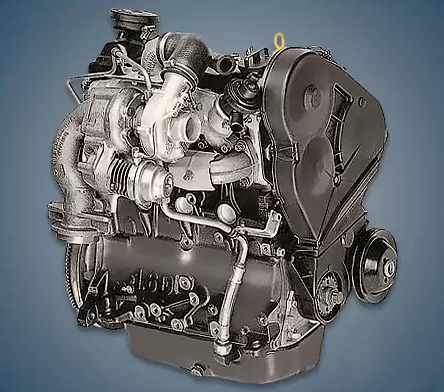
JK, JP, JX, SB, 1X, 1Y, AZ, and ABL are also included in the EA086 series.
Specifications
| Production years | 1983-1992 |
| Displacement, cc | 1588 |
| Fuel system | prechambers |
| Power output, hp | 54 |
| Torque output, Nm | 100 |
| Cylinder block | cast iron R4 |
| Block head | aluminum 8v |
| Cylinder bore, mm | 76.5 |
| Piston stroke, mm | 86.4 |
| Compression ratio | 23.0 |
| Features | SOHC |
| Hydraulic lifters | yes |
| Timing drive | belt |
| Phase regulator | no |
| Turbocharging | no |
| Recommended engine oil | 5W-40 |
| Engine oil capacity, liter | 4.0 |
| Fuel type | diesel |
| Euro standards | EURO 0 |
| Fuel consumption, L/100 km (for VW Golf 1985) — city — highway — combined |
6.8 4.8 5.7 |
| Engine lifespan, km | ~380 000 |
The engine was installed on:
- Volkswagen Caddy 1 (14) in 1983 – 1992;
- Volkswagen Golf 2 (1G) in 1983 – 1991;
- Volkswagen Jetta 2 (1G) in 1983 – 1992.
Disadvantages of the VW JP engine
This diesel engine is outdated; it makes a lot of noise, vibrates a lot, and fears frost.
The aluminum cylinder head’s quick cracking after overheating is the primary issue;
Additionally, the gaskets in the high pressure fuel pump frequently leak;
Regulations state that the timing belt must be replaced every 60,000 kilometers or the valves will bend if it breaks. High mileage frequently results in an oil burner and lubricant or antifreeze leaks.