
From 1992 to 1997, the company produced the Chrysler EGE 3.5-liter V6 gasoline engine, which was fitted in numerous LH platform models, including the Concorde, LHS, Intrepid, and Vision. The cast-iron block was unique to this unit; all other motors in the series were made of aluminum.
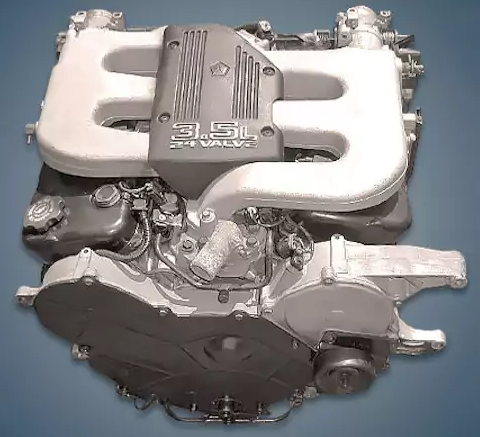
Internal combustion engines such as EER, EGW, EGG, EGF, EGN, EGS, and EGQ are also part of the LH series.
The engine was installed on:
- Chrysler Concorde 1 in 1992 – 1997;
- Chrysler LHS 1 in 1993 – 1997;
- Chrysler New Yorker 14 in 1993 – 1997;
- Dodge Intrepid 1 in 1992 – 1997;
- Eagle Vision 1 (LH) in 1992 – 1997;
- Plymouth Prowler 1 in 1997.
Specifications
| Production years | 1992-1997 |
| Displacement, cc | 3518 |
| Fuel system | injector |
| Power output, hp | 215 |
| Torque output, Nm | 300 |
| Cylinder block | cast iron V6 |
| Block head | aluminum 24v |
| Cylinder bore, mm | 96 |
| Piston stroke, mm | 81 |
| Compression ratio | 10.4 |
| Features | SOHC |
| Hydraulic lifters | yes |
| Timing drive | belt |
| Phase regulator | no |
| Turbocharging | no |
| Recommended engine oil | 5W-30 |
| Engine oil capacity, liter | 5.3 |
| Fuel type | petrol |
| Euro standards | EURO 2 |
| Fuel consumption, L/100 km (for Chrysler Concorde 1996) — city — highway — combined |
13.0 9.0 10.8 |
| Engine lifespan, km | ~300 000 |
Disadvantages of the EGE engine
Rapid slagging from overheating is this motor’s primary issue. This causes oil starvation, which frequently leads to loose bearings;
Second, the exhaust valves are not closing tightly because of soot;
Floating speed is caused by dirty throttle valves in this area.
Antifreeze frequently leaks from under the pump gasket and from the heater tube.