
In certain markets, the large WK2 Grand Cherokee is equipped with the 3.0-liter V6 Jeep EHD engine, which has been manufactured by the American company since 2014. The Chinese versions of the 300C sedan and Wrangler SUV also have this power unit installed.
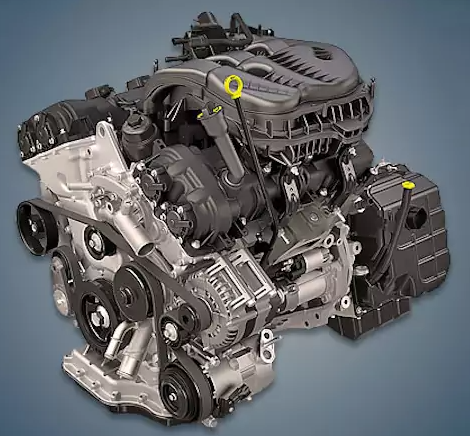
EHB, EHD, ERB, and ERC are all part of the Pentastar series.
The engine was mounted on:
- Jeep Grand Cherokee 4 (WK2) in 2014 – ….
Specifications
| Production years | 2014-… |
| Displacement, cc | 2997 |
| Fuel system | injector |
| Power output, hp | 235 |
| Torque output, Nm | 295 |
| Cylinder block | aluminum V6 |
| Block head | aluminum 24v |
| Cylinder bore, mm | 91 |
| Piston stroke, mm | 76 |
| Compression ratio | 10.2 |
| Features | DOHC |
| Hydraulic lifters | yes |
| Timing drive | chain |
| Phase regulator | Dual VVT |
| Turbocharging | no |
| Recommended engine oil | 5W-30 |
| Engine oil capacity, liter | 5.6 |
| Fuel type | petrol |
| Euro standards | EURO 5 |
| Fuel consumption, L/100 km (for Jeep Grand Cherokee 2015) — city — highway — combined |
13.9 8.1 10.2 |
| Engine lifespan, km | ~300 000 |
Disadvantages of the EHD engine
The most common complaints regarding the phase shifters’ quick failure;
Regular oil cooler leaks rank second in terms of owner complaints;
The electric vacuum pump motor is the weak point of the internal combustion engine’s start-stop system;
The thermostat, pump, and oil pump are not the best resources; using the incorrect oil frequently causes wear on the camshaft lobes.